Viral Ideas:
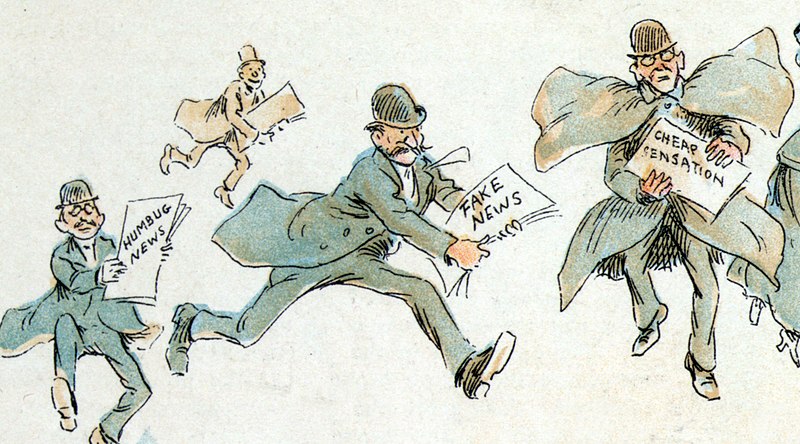
The Science of Fake News
In one study, a research team at MIT analyzed all the fact-checked rumors, true and false, that spread on Twitter (now X) from 2006–2017 — some 126,000 stories tweeted by about 3 million people more than 4.5 million times. The study found that false news spreads far more extensively than the truth, with false stories 70% more likely to be retweeted.
The study also overturns conventional wisdom about how false news spreads. Though much focus on the subject has been directed towards the role of automated bots, this study concludes that human behavior contributes more than bots to the faster spread of falsity than truth on Twitter (now X).
One explanation may be that false rumors are measurably more novel than true ones, but whether or not users perceived them as such is difficult to establish. In an effort to assess users’ perceptions, the study compared the emotional content of replies to 32,000 Twitter hashtags, using a list of about 140,000 English words and their associations with eight emotions: anger, fear, anticipation, trust, surprise, sadness, joy and disgust. They found that false rumors inspired replies expressing greater surprise, and greater disgust, while the truth inspired replies that expressed greater sadness, anticipation, and trust.
These findings may illuminate additional factors beyond novelty that inspire people to share false news but more research is needed. For example, it may also be that people share news because it is surprising rather than because it is believed, which is an important difference. In any case, the study suggests that as well as curtailing robots, containment policies should also emphasize behavioral interventions such as labeling and incentives to dissuade the spread of misinformation.
Based on “The Science of fake news” and “The spread of true and false news online,” in the March 9, 2018 issue of Science.

Fake Facebook Pages Spurred Genocide in Myanmar
Kristin Houser, Future Society
For half a decade, the Myanmar military has used Facebook to fuel this fire against the Rohingya minority.

Facebook Will Now Show You Exactly How It Stalks You — Even When You’re Not Using Facebook
Geoffrey A. Fowler, Washington Post
The new ‘Off-Facebook Activity’ tool reminds us we’re living in a reality TV program where the cameras are always on. Here are the privacy settings to change right now.

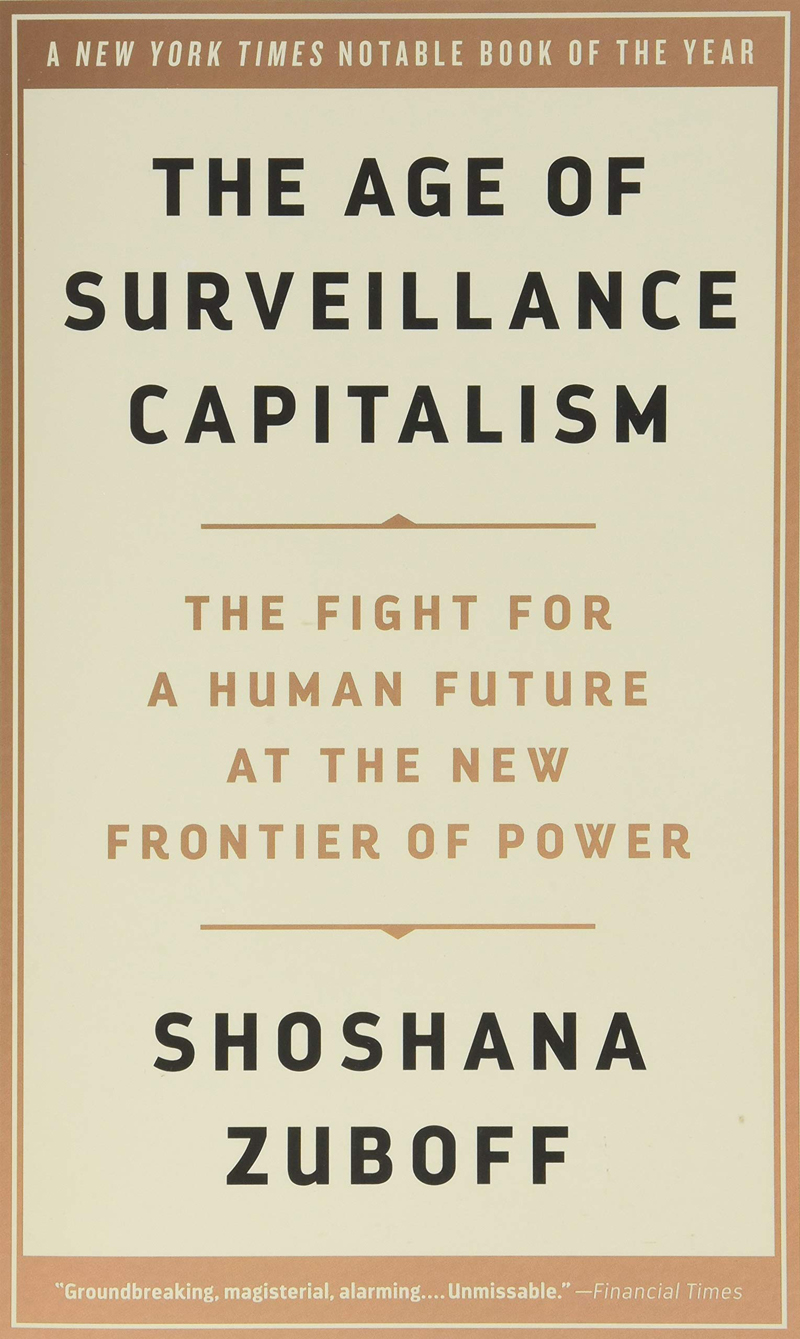
‘Our Minds Can Be Hijacked’: The Tech Insiders Who Fear a Smartphone Dystopia
Paul Lewis, The Guardian
Google, Twitter and Facebook workers who helped make technology so addictive are disconnecting themselves from the internet. Meet the Silicon Valley refuseniks alarmed by a race for human attention.
Lazer, David M. J., et al. “The Science of Fake News.” Science 359,1094–1096 (2018). https://www.science.org/doi/10.1126/science.aao2998
Vosoughi, Soroush, Deb Roy, and Sinan Aral. “The Spread of True and False News Online.” Science 359, no. 6380 (March 9, 2018): 1146-1151.https://doi.org/10.1126/science.aap9559.