As concern rises about the H5N1 or “bird flu” virus, will the lessons learned about the COVID-19 pandemic be squandered—especially in the current political environment of the United States?


As concern rises about the H5N1 or “bird flu” virus, will the lessons learned about the COVID-19 pandemic be squandered—especially in the current political environment of the United States?

The way in which different cultures describe and classify colors reveals differences in how they perceive the world. It also might help us navigate the increasingly polarized nature of our conversations, globally, into the future.

Our culture is becoming inured to the negatives of too much screen time. However, as John Zada writes, one heinous impact of smart phone use—the potential manipulation of our beliefs—remains both sorely underappreciated and poorly understood.

China is by far the world’s leader in generating renewable energy, beating out the United States and the EU combined. But given its increasing reliance on coal, is its pledge to be carbon neutral by 2060 realistic?

As hurricanes and typhoons appear to be strengthening, the question of how to better prepare for them becomes more pressing. Archie O’Shaughnessy suggests an update to the current storm classification system.
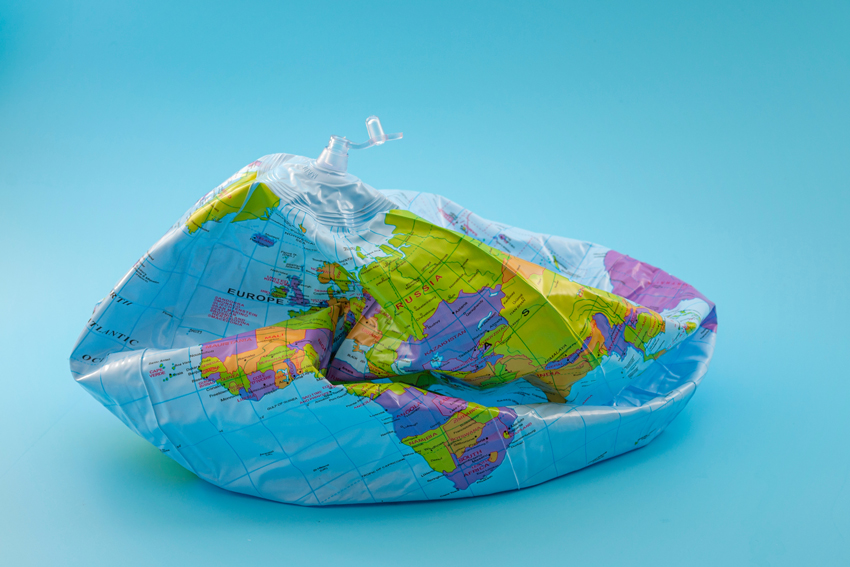
We evolved to pay less attention to the slow moving dangers that threaten our world. Luckily there are ways to overcome this handicap and be more in tune with the bigger picture.
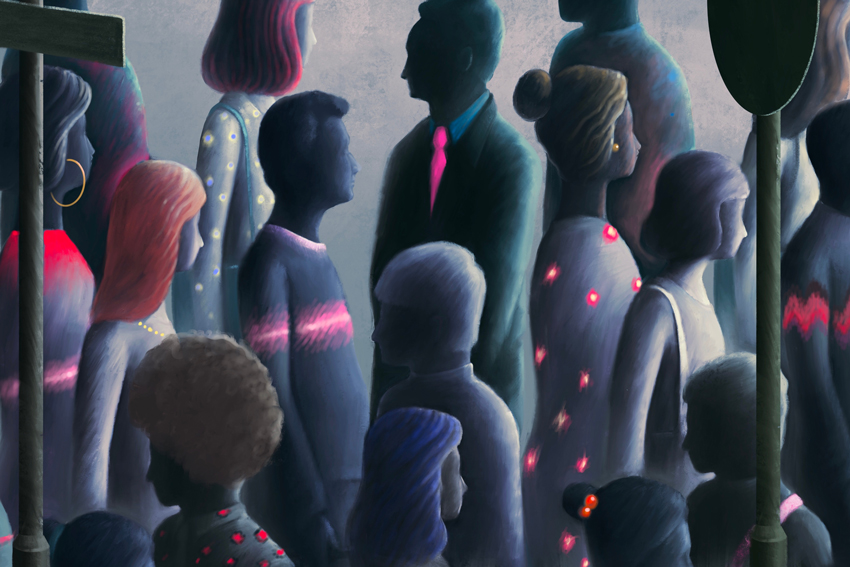
The late cultural anthropologist Edward T. Hall argued that some of the most important aspects of culture were those that were invisible to its holders, lying below conscious awareness.
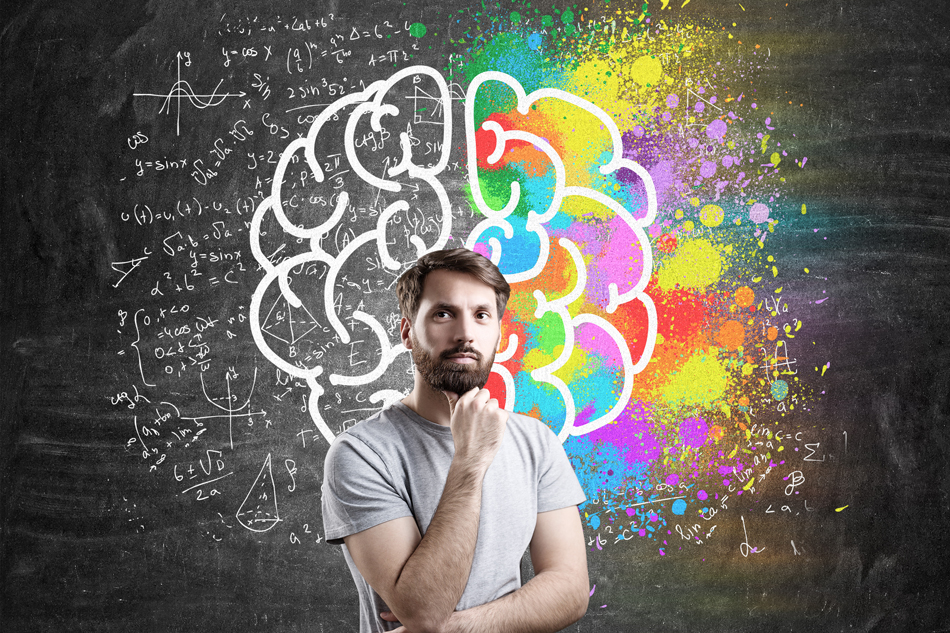
The left-hemisphere of our brain does the lion's share of the work when we think analytically. But as Hafeez Diwan tells us, those "Aha! moments" can only come when we give the left brain and its analyses a rest.
Afghan author Idries Shah collected traditional Eastern anecdotes and Teaching Stories and transmitted them in book form to the West. As Steven Nightingale tells us, his work encapsulates centuries of Sufi thought aimed at developing our latent capacities.
People with differing perspectives often consider their own takes to be the objectively correct ones. But as David Sobel explains, our biases filter-in and out the details of the realities we champion.