Humor and laughter can confer all sorts of health benefits, but as Andrew Boden writes it can also be a powerful tool that opens up a wide range of perceptual experiences and insights.


Humor and laughter can confer all sorts of health benefits, but as Andrew Boden writes it can also be a powerful tool that opens up a wide range of perceptual experiences and insights.

For most of us, designating cult behaviour is a black-or-white proposition. But as John Zada writes, the question is less often: ‘Is this, or isn’t this a cult?’—but more ‘how much cult thinking is present in any group dynamic?’
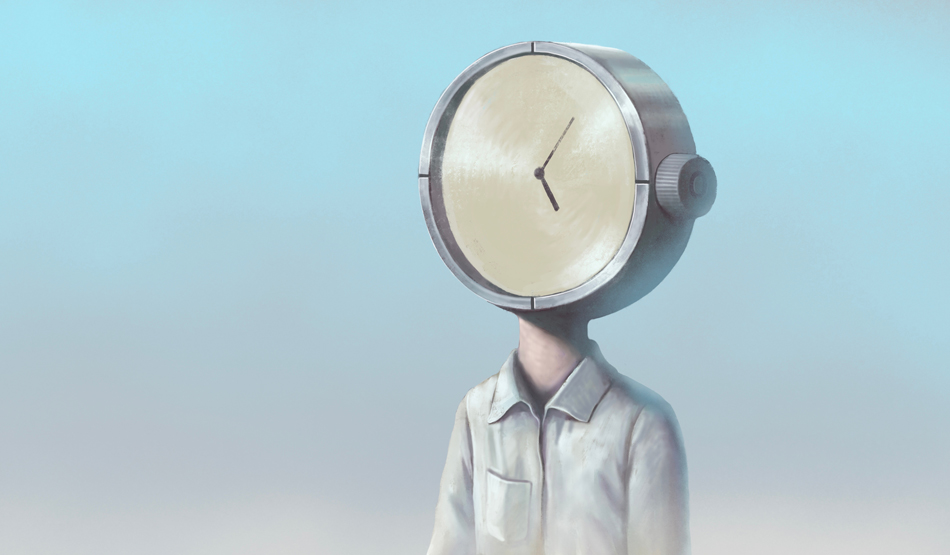
Our perception of time is inherently skewed by our self-centered view of life. But as Hugh McGilvery writes, while most of us may never grasp time’s true nature, there are things we can do to gain a less self-centered perspective—and which brings its own benefits.

Can we move beyond the common human tendency to think in largely dualistic terms? John Zada suggests that the wellbeing of our societies, and even their survival, may in part, depend on it.

David Sobel MD suggests that exploring wider contexts not only alters our perceptions, but also reframes more healthily how we regard ourselves in respect to the bigger picture.
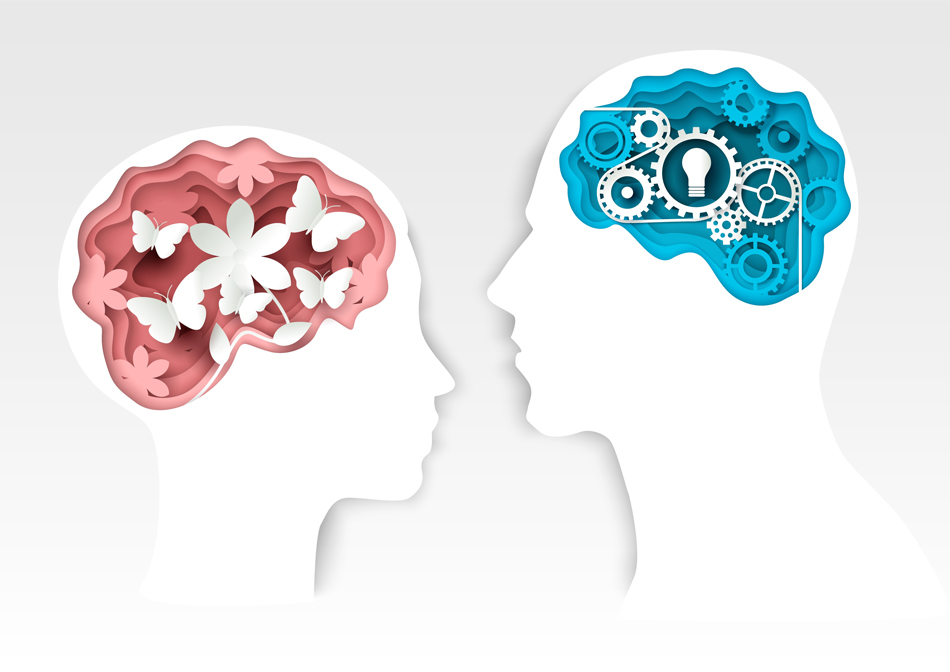
Denise Winn explores new research poking holes in our cherished understanding of male and female brains—and how we embraced those notions to begin with.

Decades after Ornstein and Ehrlich published ‘New World New Mind,’ arguing the need for “conscious evolution,” Andrew Boden asks if there are any indications we are heeding their call.

Sally Mallam writes that adopting a receptive mindset can lead to a continuum of expanding perceptions and understandings.
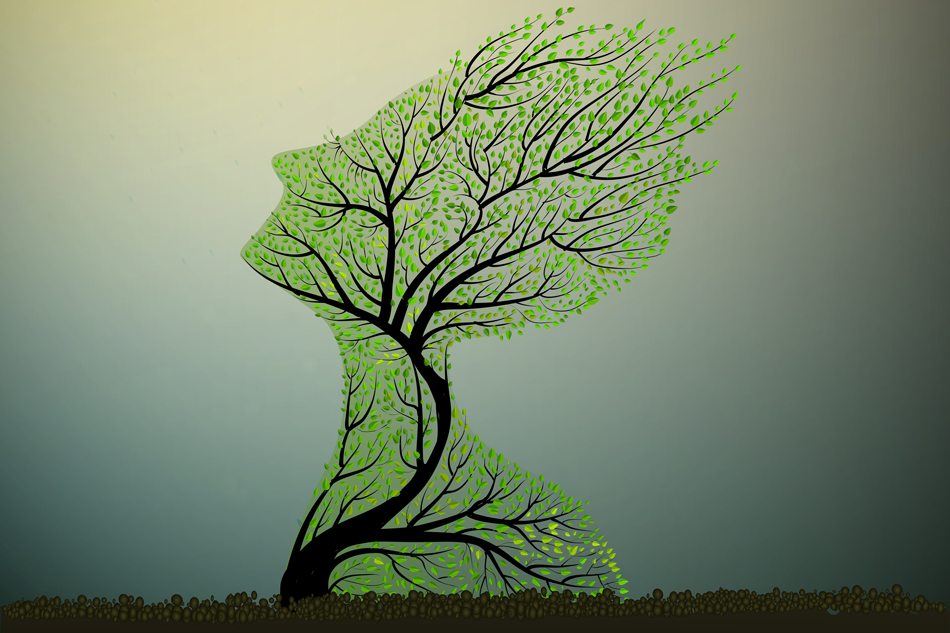
Psychotherapist and journalist Denise Winn illustrates the importance of cultivating meaning in our lives: whether as a conduit for survival, well-being, or seeing the bigger picture.

Diplomat John Bell reflects on how author Idries Shah has shaped his outlook on East and West—and the fundamental questions of human nature which transcend them.