In our screen and achievement-obsessed culture, the play instincts of children are being smothered, inhibiting their natural creativity and curiosity. Loosening the reins on childhood can help fix that.


Journey of the Human Mind
We face a world that is far different from our ancestor’s world. But we have the potential to understand and solve the problems of today, many of which are man-made, if we first understand who we are, and how the past has made us.
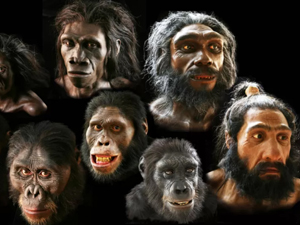
Our Prehistoric Ancestors
Understanding our evolutionary roots—what we share with animals and primates, and how we differ—is key to realizing our unique potential.
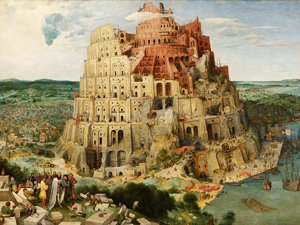
The Evolution of Language
The evolution of language has shaped our minds and culture—unlocking new ways to connect, create, and face challenges.

Ideas that Shaped Our Modern World
Driven to solve and seek, our evolution has unfolded through innovation and the pursuit of transcendence.

Education and the Information Age
Mitigating the pitfalls of digital technology and providing a quality education that promotes lifelong learning are two critical keys for our future.
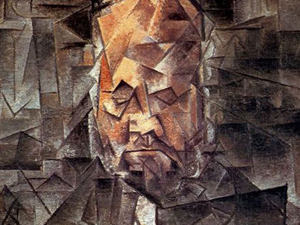
Our Mind in the Modern World
Technology has outpaced evolution. To thrive, we must consciously evolve by understanding the full capacities of our minds.


As concern rises about the H5N1 or “bird flu” virus, will the lessons learned about the COVID-19 pandemic be squandered—especially in the current political environment of the United States?

The way in which different cultures describe and classify colors reveals differences in how they perceive the world. It also might help us navigate the increasingly polarized nature of our conversations, globally, into the future.
Our culture is becoming inured to the negatives of too much screen time. However, as John Zada writes, one heinous impact of smart phone use—the potential manipulation of our beliefs—remains both sorely underappreciated and poorly understood.