Genetics and Human Evolution
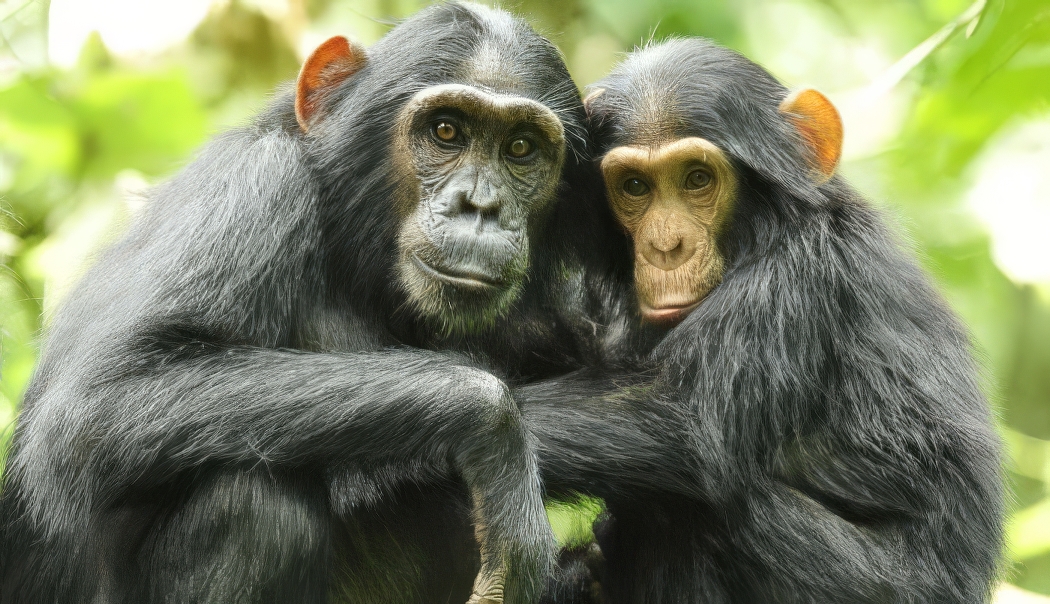
Our Nearest Relatives: Bonobos and Chimpanzees
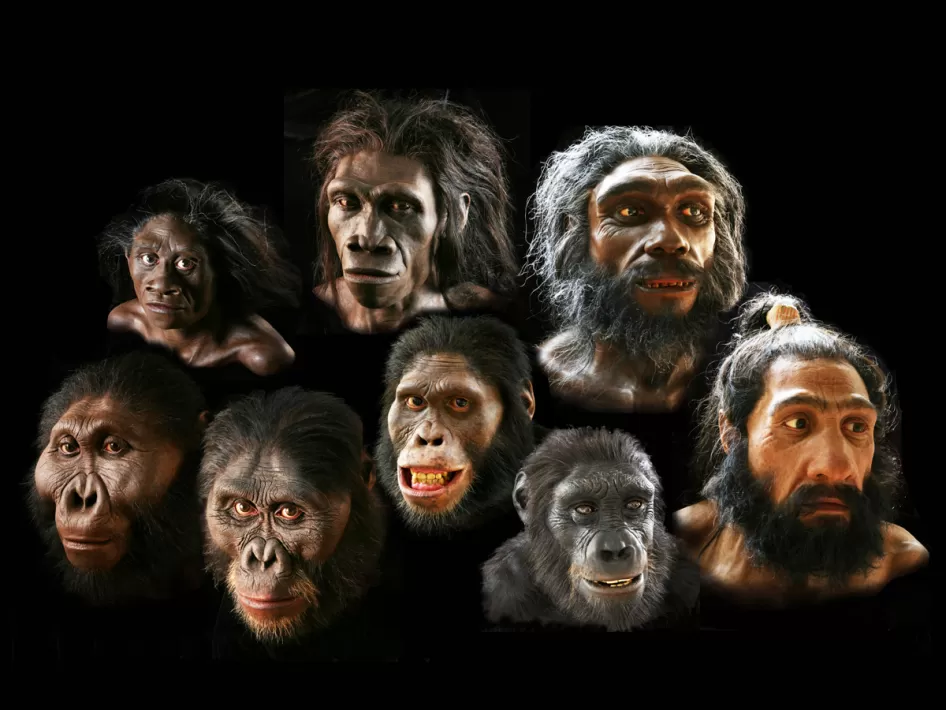
Our Hominid Predecessors
Genetics and Human Evolution
Our Nearest Relatives: Bonobos and Chimpanzees
Our Hominid Predecessors
What Does It Mean to Be Human?
Smithsonian National Museum of Natural History
Learn about 5 million years of early human evolution, track research in the science of paleoanthropology, get answers to your questions from the institute’s researchers, and much more.
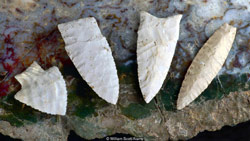
The First People Who Populated the Americas
Melissa Hogenboom, BBC
Archaeological evidence of people living in the Bluefish Caves in the northern Yukon Territory of western Canada as early as 24,000 years ago now suggests that the people who left Siberia did so 10,000 years earlier than previously thought. They remained genetically and geographically isolated in Beringia until about 16–15,000 years ago before dispersing south.
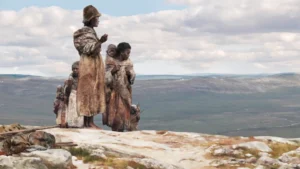
Oldest human DNA reveals lost branch of the human family tree
Katie Hunt, CNN
Scientists say they have recovered the oldest known Homo sapiens DNA from human remains found in Europe, and the information is helping to reveal our species’ shared history with Neanderthals.
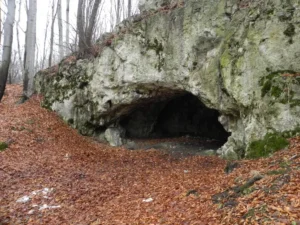
Paleolithic culture cannibalized their enemies—and maybe their friends as well
zmescience.com
In the 19th century, archaeologists in Poland unearthed a stunning cave filled with prehistoric secrets. The Maszycka Cave, as it’s called, once sheltered Magdalenian people 18,000 years ago. Now, a new study offers compelling evidence that the cave was the site of a grisly ritual — or perhaps something even darker. Did these ancient people consume their enemies?