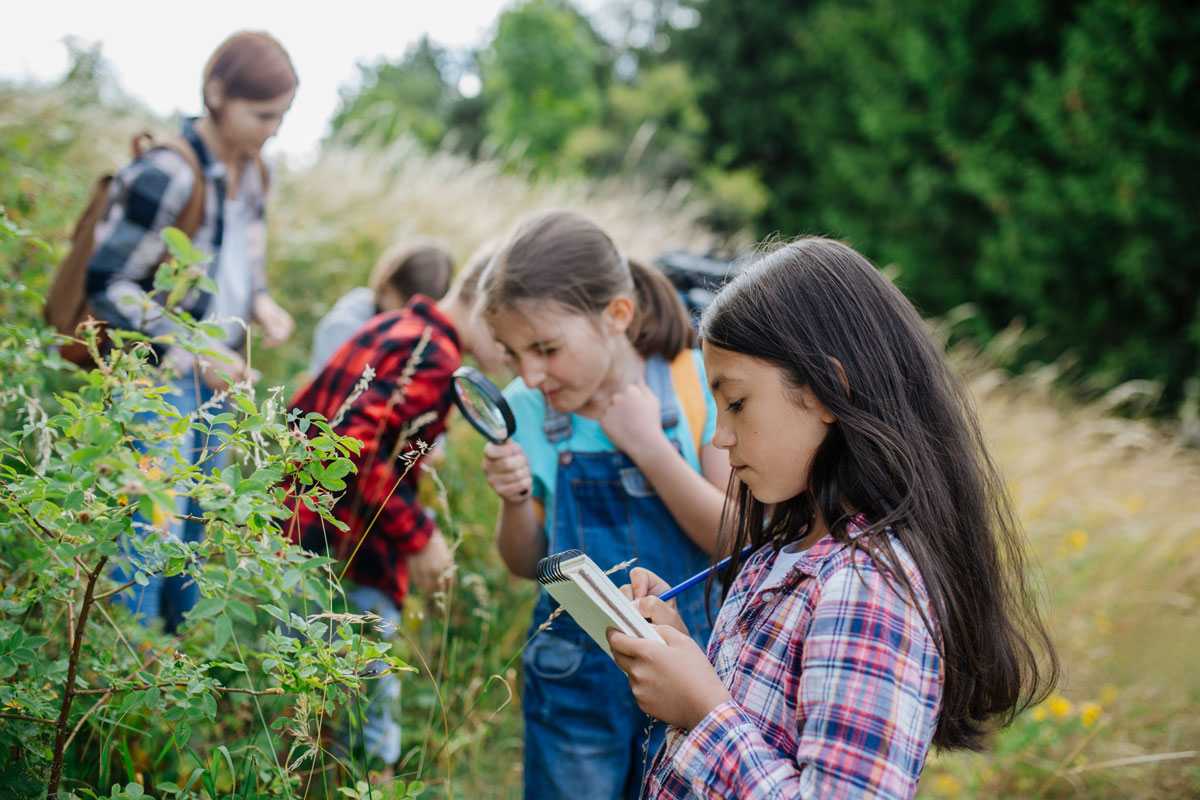
With children spending more time indoors and immersed in digital environments, forest schools offer a radically different model of learning.


Journey of the Human Mind
We face a world that is far different from our ancestor’s world. But we have the potential to understand and solve the problems of today, many of which are man-made, if we first understand who we are, and how the past has made us.
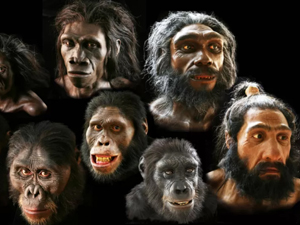
Our Prehistoric Ancestors
Understanding our evolutionary roots—what we share with animals and primates, and how we differ—is key to realizing our unique potential.
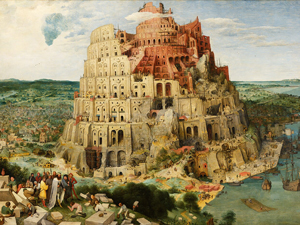
The Evolution of Language
The evolution of language has shaped our minds and culture—unlocking new ways to connect, create, and face challenges.

Ideas that Shaped Our Modern World
Driven to solve and seek, our evolution has unfolded through innovation and the pursuit of transcendence.

Education and the Information Age
Mitigating the pitfalls of digital technology and providing a quality education that promotes lifelong learning are two critical keys for our future.
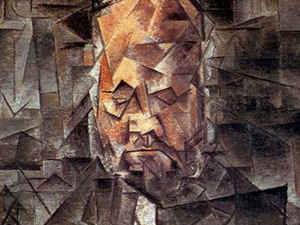
Our Mind in the Modern World
Technology has outpaced evolution. To thrive, we must consciously evolve by understanding the full capacities of our minds.
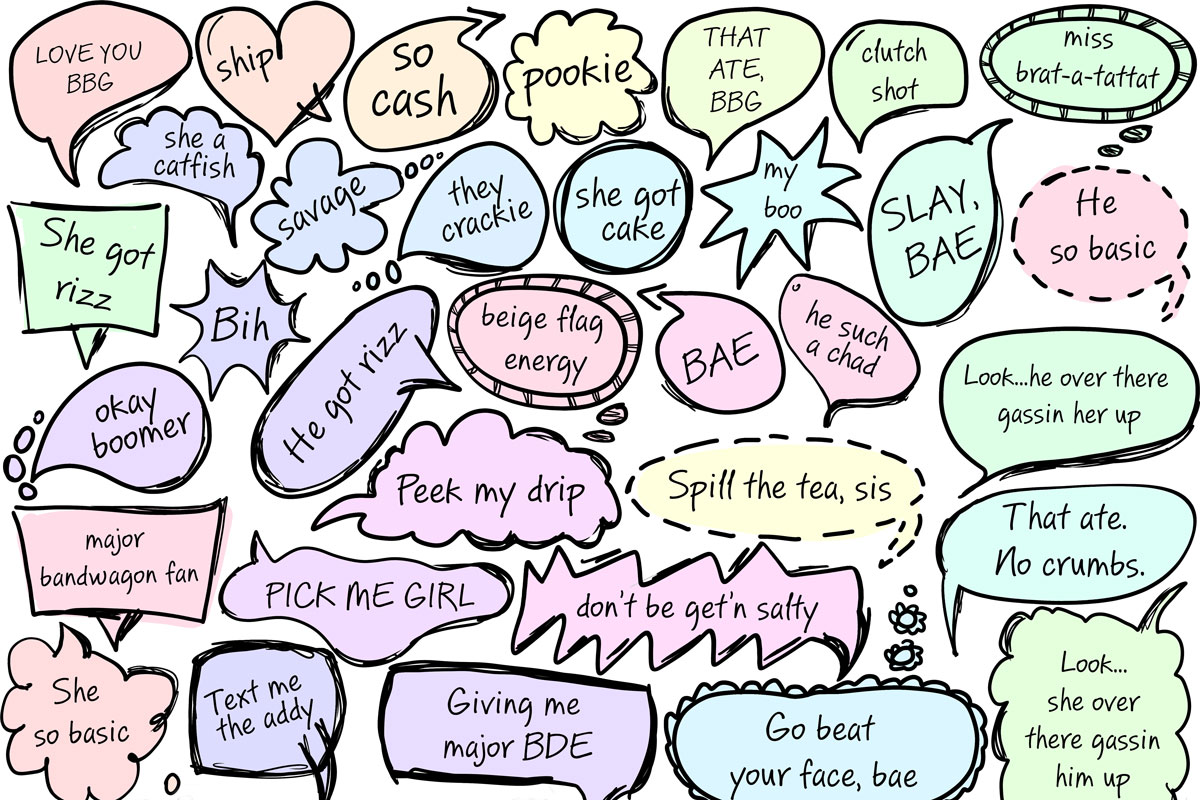
Modern slang is evolving alongside and within a digital and social media environment that is increasingly driving what was once a more human process. Is this an evolution or devolution of informal talk?

As digital culture consumes our lives, the number of people who are giving up on book reading, especially young people, seems to be on the rise. Does this presage a kind of cultural collapse or the return to a different mode of learning?

"Style-shifting", a linguistics term which describes changes in our patterns of speech around different people, reflects the idea that we all embody many personas that reveal themselves according to circumstance.