As artificial intelligence grows in leaps and bounds, so too does the idea that “the robots are taking over”. But as Ella Jane Mortensen writes, the dangers of AI may lie more in their impact on our minds and culture.


Journey of the Human Mind
We face a world that is far different from our ancestor’s world. But we have the potential to understand and solve the problems of today, many of which are man-made, if we first understand who we are, and how the past has made us.
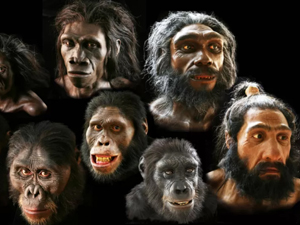
Our Prehistoric Ancestors
Understanding our evolutionary roots—what we share with animals and primates, and how we differ—is key to realizing our unique potential.
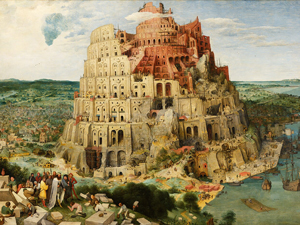
The Evolution of Language
The evolution of language has shaped our minds and culture—unlocking new ways to connect, create, and face challenges.
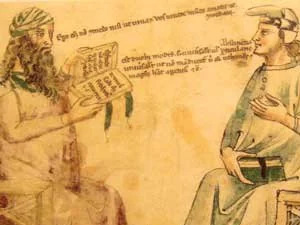
Ideas that Shaped Our Modern World
Driven to solve and seek, our evolution has unfolded through innovation and the pursuit of transcendence.
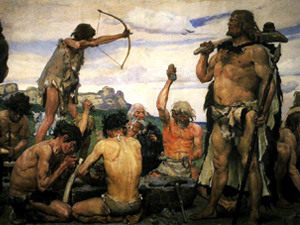
Tools & the Development of Contemporary Society
From stone tools to digital circuits, our creations shape who we are and the choices defining our future.
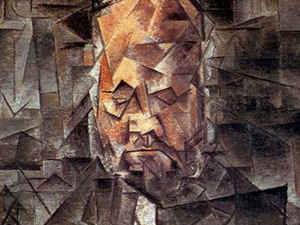
Our Mind in the Modern World
Technology has outpaced evolution. To thrive, we must consciously evolve by understanding the full capacities of our minds.


The idea of multiple personalities is often associated with extreme clinical conditions, but as John Zada writes, we are all affected by a smaller version of this phenomenon which pays high dividends to understand.

Economists have long used forecasting and predictions to approach the unknown. But as Ayubkhon Azamov writes, their accuracy, for a variety of reasons, is more often flawed than not.

Statistics, whether in the service of advertising or politics, don't just hide the truth—they guide your mind to a particular version, or interpretation, of it.