The Evolution of Language
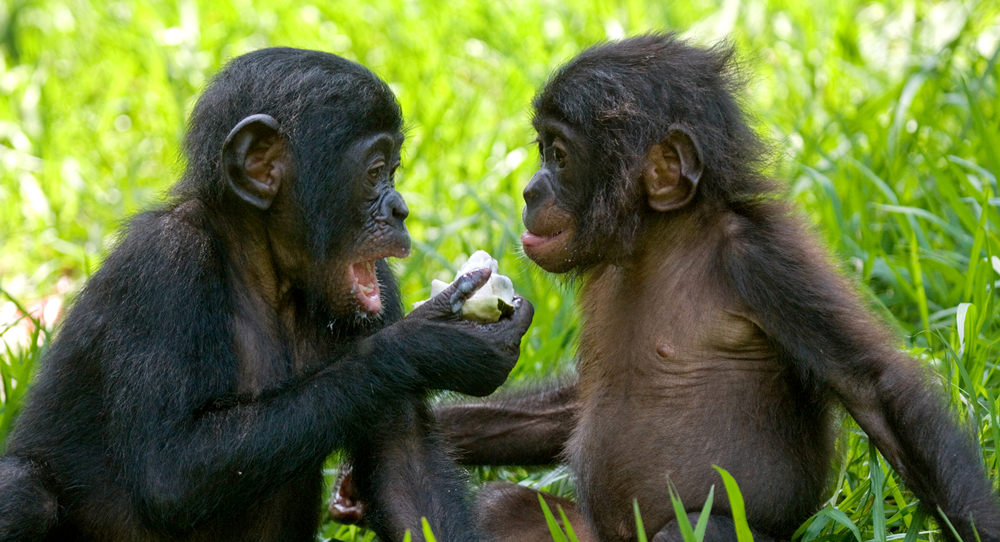
Basic Awareness and Behavioral Language
Evolution is the story of creative response to environmental challenge. The evolutionary roots of human communication include the mental models and basic behavioral language we share with all species. Language is the most flexible tool of human adaptation.
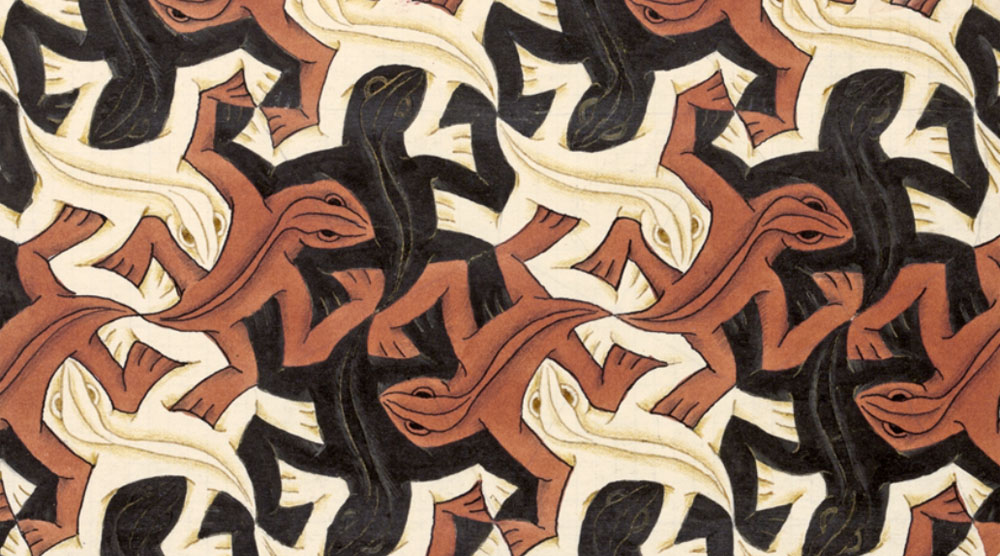
Organizing Our Experience: Mental Models
A person can view and understand the very same piece of information differently, depending on the mental model he uses to interpret it. When we hear thunder, do we explain it as the anger of the gods, the noise made by an atmospheric event, or some other phenomenon?

Symbolic Language
About 1.5 million years ago, Homo erectus first used the symbolic language of pantomime to pass on understanding and experience. Mimesis is part of our genetic heritage and underlies our rituals, games, sports and dance to this day.
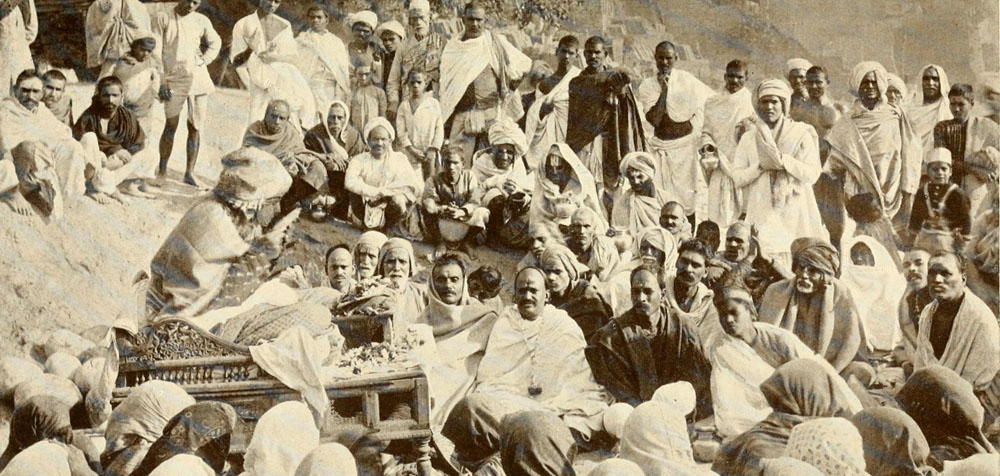
The Evolution of Speech and Oral Culture
The evolution of human speech made possible cooperative communication, collective planning, community decision-making, negotiation, rules and customs. And, for the first time, the group’s cohesion could be reinforced through stories and myths.

External Symbols
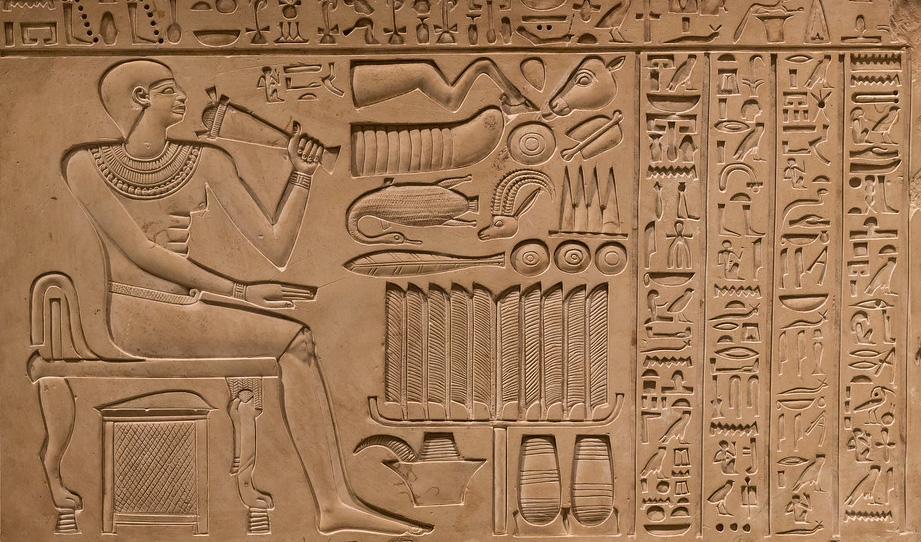
The ability to record notions as visual symbols led to art, writing, and mathematics—all of which opened the door to new ideas and new ways of thinking and made knowledge accessible to more individuals.
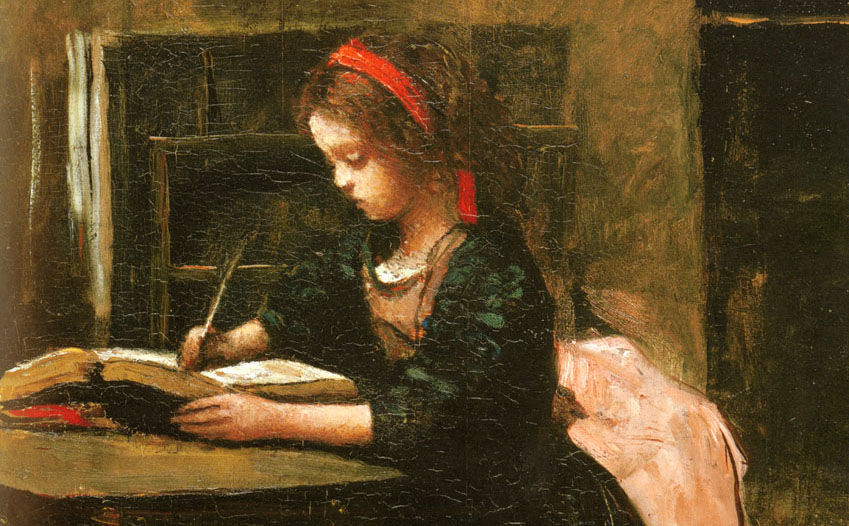
Recursive Thinking and the Rise of Language
All humans are born with the ability to speak. But our languages are unique adaptive tools, shaped by the environment, each one influencing how we perceive time in space and how we remember events.
Basic Awareness and Behavioral Language
Evolution is the story of creative response to environmental challenge. The evolutionary roots of human communication include the mental models and basic behavioral language we share with all species. Language is the most flexible tool of human adaptation.
Organizing Our Experience: Mental Models
A person can view and understand the very same piece of information differently, depending on the mental model he uses to interpret it. When we hear thunder, do we explain it as the anger of the gods, the noise made by an atmospheric event, or some other phenomenon?
Symbolic Language
About 1.5 million years ago, Homo erectus first used the symbolic language of pantomime to pass on understanding and experience. Mimesis is part of our genetic heritage and underlies our rituals, games, sports and dance to this day.
The Evolution of Speech and Oral Culture
The evolution of human speech made possible cooperative communication, collective planning, community decision-making, negotiation, rules and customs. And, for the first time, the group’s cohesion could be reinforced through stories and myths.
External Symbols
The ability to record notions as visual symbols led to art, writing, and mathematics—all of which opened the door to new ideas and new ways of thinking and made knowledge accessible to more individuals.
Recursive Thinking and the Rise of Language
All humans are born with the ability to speak. But our languages are unique adaptive tools, shaped by the environment, each one influencing how we perceive time in space and how we remember events.
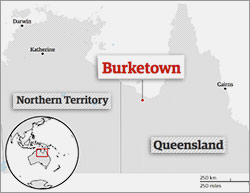
Most Australian Indigenous Languages Came from Just One Place, Research Claims
Helen Davidson, The Guardian
Most Indigenous languages in Australia likely originated from a remote spot in far north Queensland as recently as 4,000 years ago, before slowly spreading across the country.
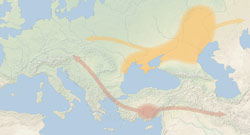
The Tangled Roots of English
Nicholas Wade, The New York Times
“The peoples of India, Iran and Europe speak a Babel of tongues, but most — English included — are descended from an ancient language known as proto-Indo-European. Scholars have argued for two centuries about the identity and homeland of those who spoke this parent language, but a surprisingly sudden resolution of this longstanding issue may be at hand.”