
Maintaining a Stable World

How Do We Maintain a Stable World?
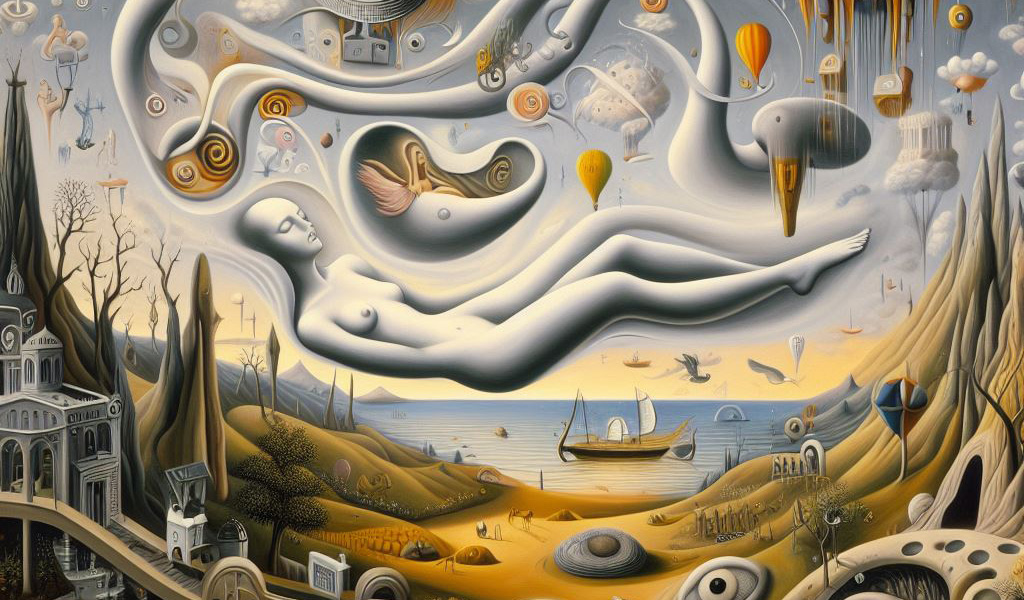
One of the great achievements of the human mind is its ability to create a sense of stability in a world of constant change. We evolved certain strategies to do this: we simplify, overgeneralize, ignore, predict, and make assumptions about the environment around us.
The Brain as a Prediction Machine
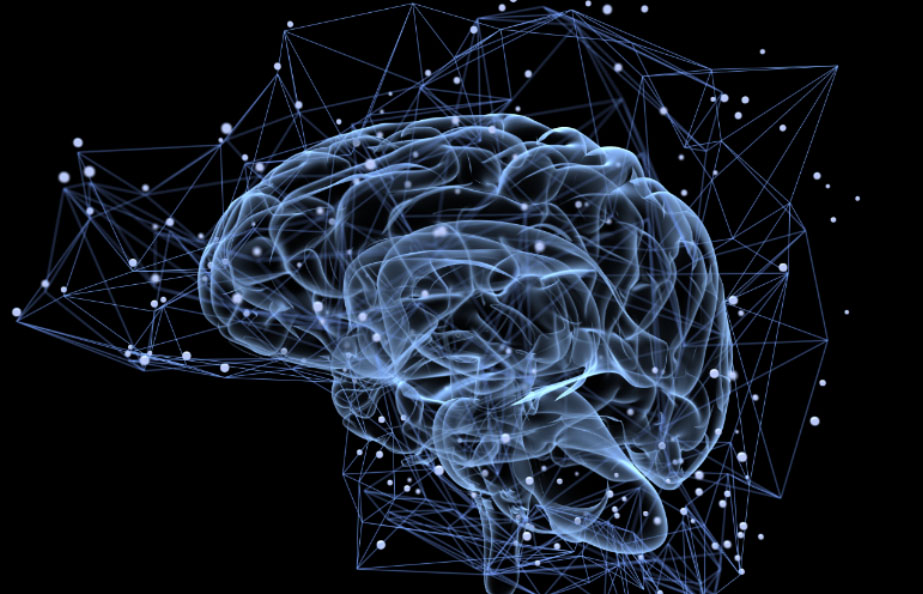
Your brain’s most important job is to keep your body alive. To do this, the brain devotes most of its energy predicting what will happen next so that you are prepared to act. And in the survival game, prediction beats reaction.

Emotions: How and Why they Operate
Emotions can be complex and confusing. Why exactly do we have emotions? How much control do we have over them? Thanks to developments in neuroscience, our understanding of the complex functions of the brain is increasing, including their role in our emotional life.
Our Memory and How it Works
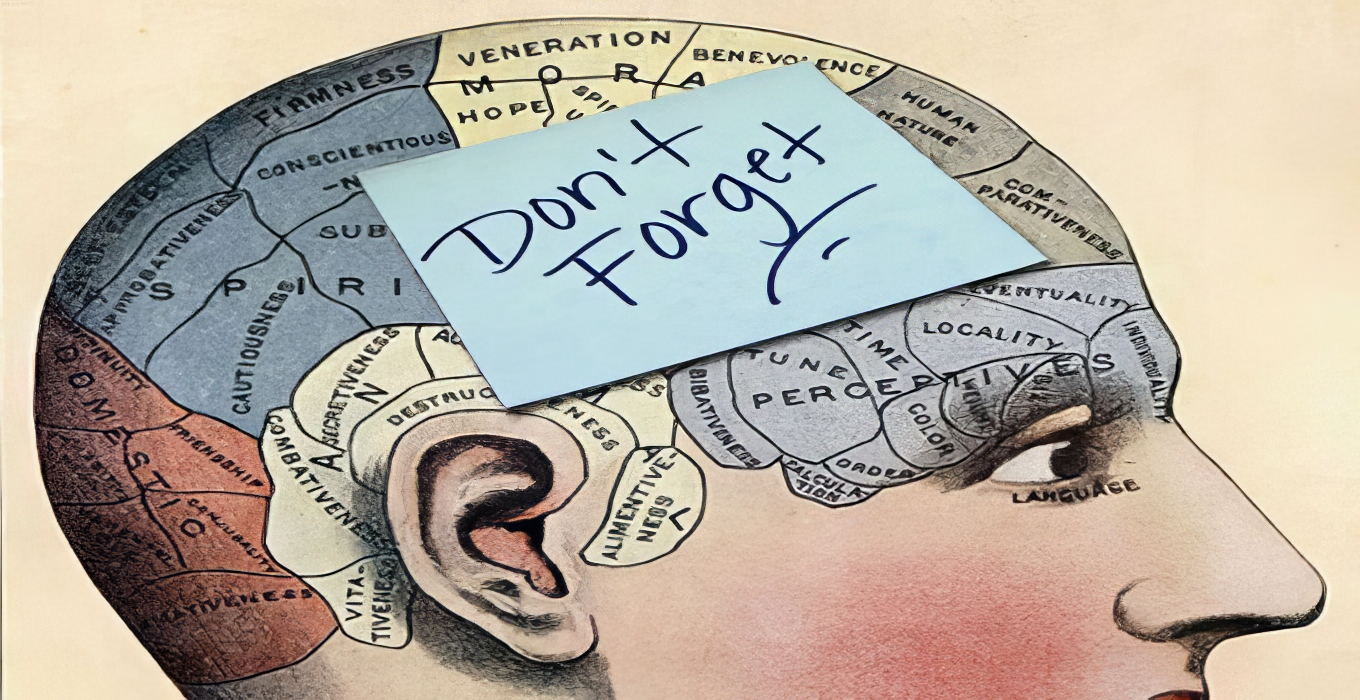
From the minuscule amount of information our sense organs gather, we create an Imaginal World, weaving elements of every experience we perceive and pay attention to. These are our “memories", which are also subject to editing and inaccuracies.
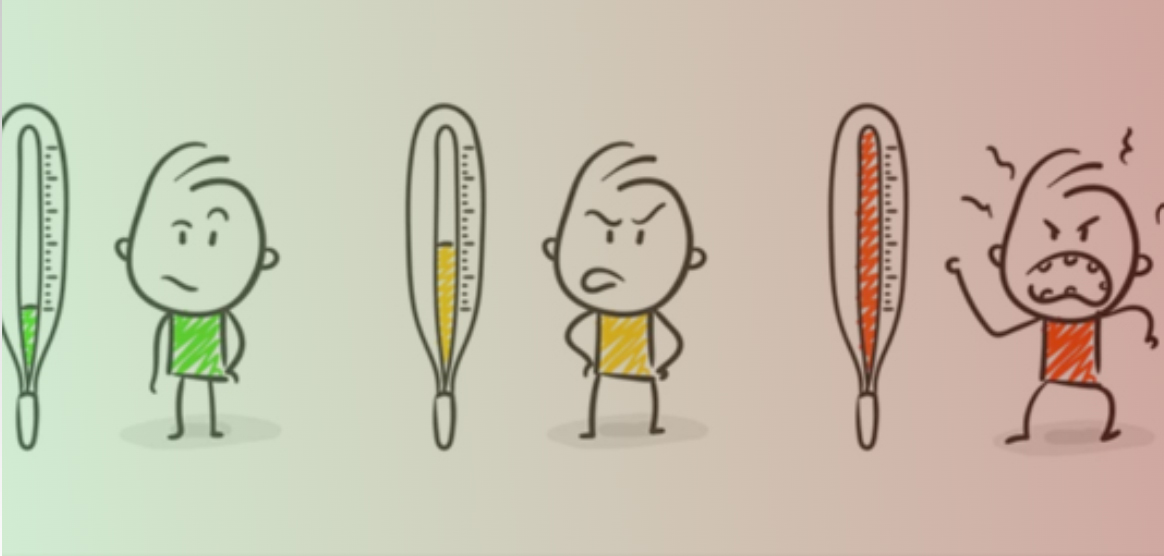
Temperament: Dispositional Differences in Human Nature
Temperament is the core pillar of individuality. It describes a person’s predisposition to respond to specific events in a specific way, and refers to the style rather than to the content of behavior.
How Do We Maintain a Stable World?
One of the great achievements of the human mind is its ability to create a sense of stability in a world of constant change. We evolved certain strategies to do this: we simplify, overgeneralize, ignore, predict, and make assumptions about the environment around us.
The Brain as a Prediction Machine
Your brain’s most important job is to keep your body alive. To do this, the brain devotes most of its energy predicting what will happen next so that you are prepared to act. And in the survival game, prediction beats reaction.
Emotions: How and Why they Operate
Emotions can be complex and confusing. Why exactly do we have emotions? How much control do we have over them? Thanks to developments in neuroscience, our understanding of the complex functions of the brain is increasing, including their role in our emotional life.
Our Memory and How it Works
From the minuscule amount of information our sense organs gather, we create an Imaginal World, weaving elements of every experience we perceive and pay attention to. These are our “memories", which are also subject to editing and inaccuracies.
Temperament: Dispositional Differences in Human Nature
Temperament is the core pillar of individuality. It describes a person’s predisposition to respond to specific events in a specific way, and refers to the style rather than to the content of behavior.
[booksatbottom]