Statistics, whether in the service of advertising or politics, don't just hide the truth—they guide your mind to a particular version, or interpretation, of it.


Journey of the Human Mind
We face a world that is far different from our ancestor’s world. But we have the potential to understand and solve the problems of today, many of which are man-made, if we first understand who we are, and how the past has made us.
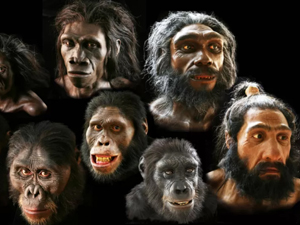
Our Prehistoric Ancestors
Understanding our evolutionary roots—what we share with animals and primates, and how we differ—is key to realizing our unique potential.
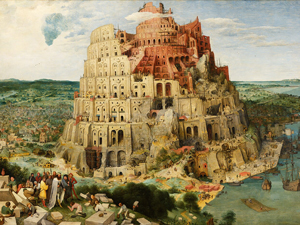
The Evolution of Language
The evolution of language has shaped our minds and culture—unlocking new ways to connect, create, and face challenges.
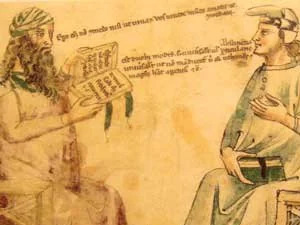
Ideas that Shaped Our Modern World
Driven to solve and seek, our evolution has unfolded through innovation and the pursuit of transcendence.

Education and the Information Age
Mitigating the pitfalls of digital technology and providing a quality education that promotes lifelong learning are two critical keys for our future.
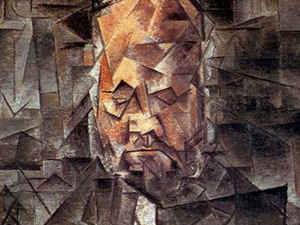
Our Mind in the Modern World
Technology has outpaced evolution. To thrive, we must consciously evolve by understanding the full capacities of our minds.


Community health workers (CHWs) play a vital role in global healthcare systems, but challenges placed on their work are putting strain on the communities they serve.

Traditional stories and folklore, through the dynamic movement of its characters and narrative, and by way of its various devices, can convey implicit meaning and help give us insight into the metaphysical nature of the world.

In our screen and achievement-obsessed culture, the play instincts of children are being smothered, inhibiting their natural creativity and curiosity. Loosening the reins on childhood can help fix that.