Paleolithic Beginnings
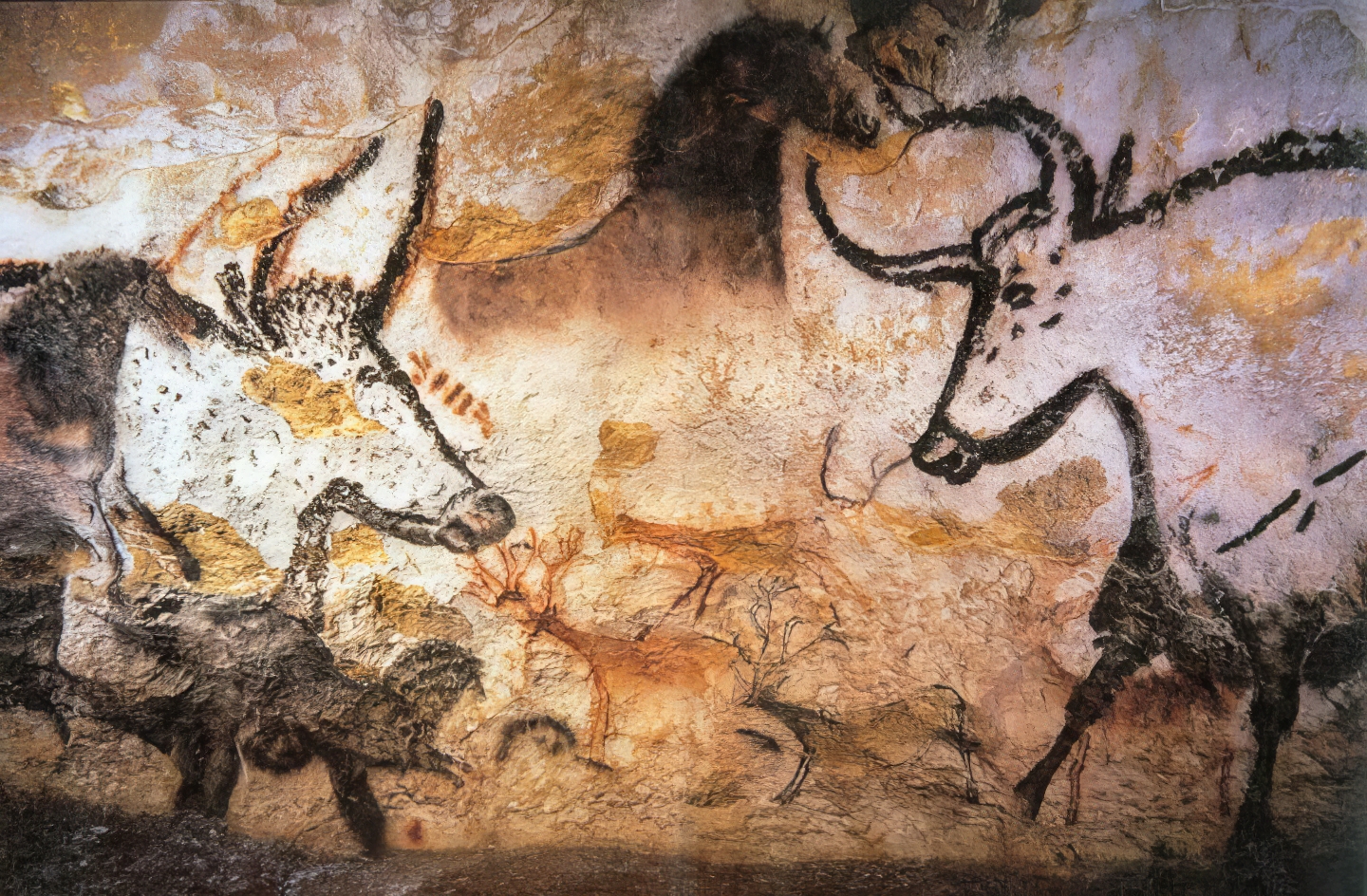
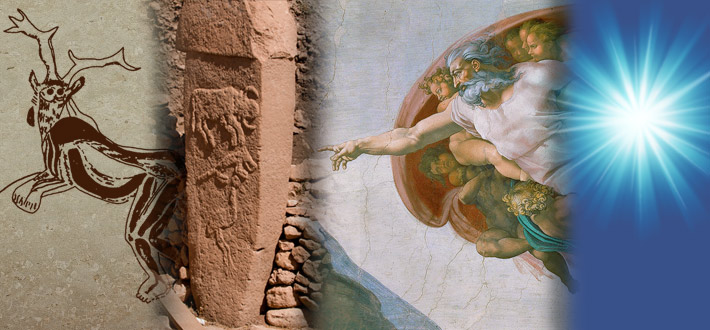
The desire to cultivate a sense of the transcendent began the moment we became modern man. From 40,000–35,000 years ago, our ancestors first began to conceive of a tiered cosmos—a spirit world above, an underworld below, and the mortal world in-between. Deep within the caves of the mortal world they devised rituals to transcend and engage the spirit world—an idea that has been with us ever since.
Connecting with the Gods
The relationship between people and their god(s) was of primary importance all over the world. As populations grew, settlements became cities. Order was achieved through religious hierarchy—priests and leaders ensured that they had access to “secrets” using religion to stay powerful.
Axial Age Thought
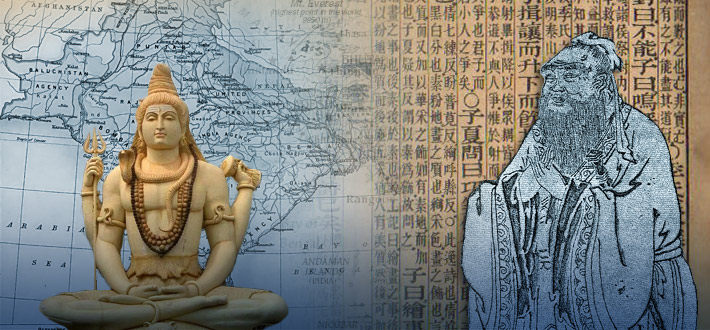
The Axial Age was a pivotal time in early human history when, in four distinct parts of the world, our ancestors began to reflect for the first time on individual responsibility and the meaning of life and death. The concept of one single God—to be worshipped not through ritual but through daily life—developed around personal transformation and responsibility.
Jesus: Origins of Christianity
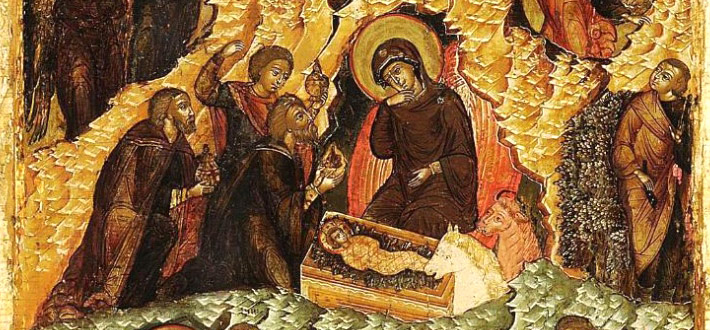
Like all the Axial prophets and teachers, his aim was spiritual revitalization—a new “kingdom” in which those who listened and followed could fulfill their potential and destiny.
Muhammad: Origins of Islam
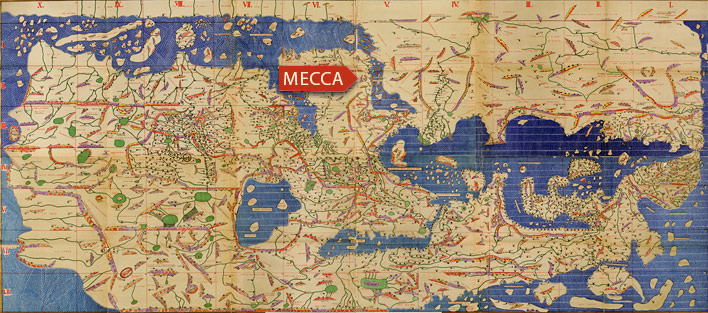
The decline in traditional values was an existential threat to his tribe. Muhammad’s insight was that social reform had to be based on a new spiritual foundation.
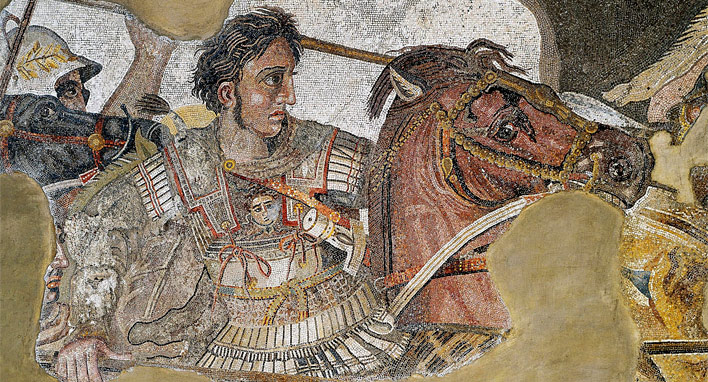
The Journey of Classical Greek Culture to the West
At the end of the 7th century, centers of what would become our Western heritage and give rise to the European Renaissance, were cities in the Islamic world where the culture favored learning and tolerance.
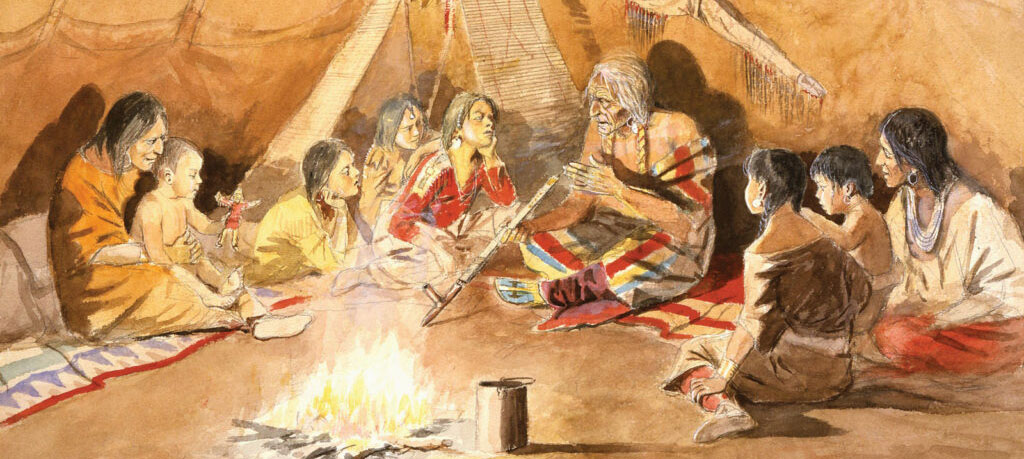
Stories and Storytelling
From time immemorial our need to communicate through storytelling ran parallel with the development of the many philosophies and spiritual traditions that arose through history. Not only did stories become a transmission vehicle for many of those ideas, but also a form of knowledge in its own right for furthering human thought and development.
Paleolithic Beginnings
The desire to cultivate a sense of the transcendent began the moment we became modern man. From 40,000–35,000 years ago, our ancestors first began to conceive of a tiered cosmos—a spirit world above, an underworld below, and the mortal world in-between. Deep within the caves of the mortal world they devised rituals to transcend and engage the spirit world—an idea that has been with us ever since.
Connecting with the Gods
The relationship between people and their god(s) was of primary importance all over the world. As populations grew, settlements became cities. Order was achieved through religious hierarchy—priests and leaders ensured that they had access to “secrets” using religion to stay powerful.
Axial Age Thought
The Axial Age was a pivotal time in early human history when, in four distinct parts of the world, our ancestors began to reflect for the first time on individual responsibility and the meaning of life and death. The concept of one single God—to be worshipped not through ritual but through daily life—developed around personal transformation and responsibility.
Jesus: Origins of Christianity
Like all the Axial prophets and teachers, his aim was spiritual revitalization—a new “kingdom” in which those who listened and followed could fulfill their potential and destiny.
Muhammad: Origins of Islam
The decline in traditional values was an existential threat to his tribe. Muhammad’s insight was that social reform had to be based on a new spiritual foundation.
The Journey of Classical Greek Culture to the West
At the end of the 7th century, centers of what would become our Western heritage and give rise to the European Renaissance, were cities in the Islamic world where the culture favored learning and tolerance.
Stories and Storytelling
From time immemorial our need to communicate through storytelling ran parallel with the development of the many philosophies and spiritual traditions that arose through history. Not only did stories become a transmission vehicle for many of those ideas, but also a form of knowledge in its own right for furthering human thought and development.