Health and Education in the Modern World

Our challenge is to ensure for people everywhere, of all ages, healthy lives and a quality education that promotes lifelong learning.

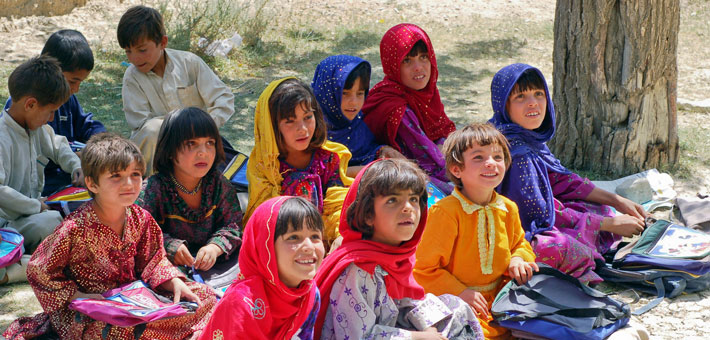
schoolgirls

Health and Education in the Modern World

John Severns, Wikimedia Commons
Global Health

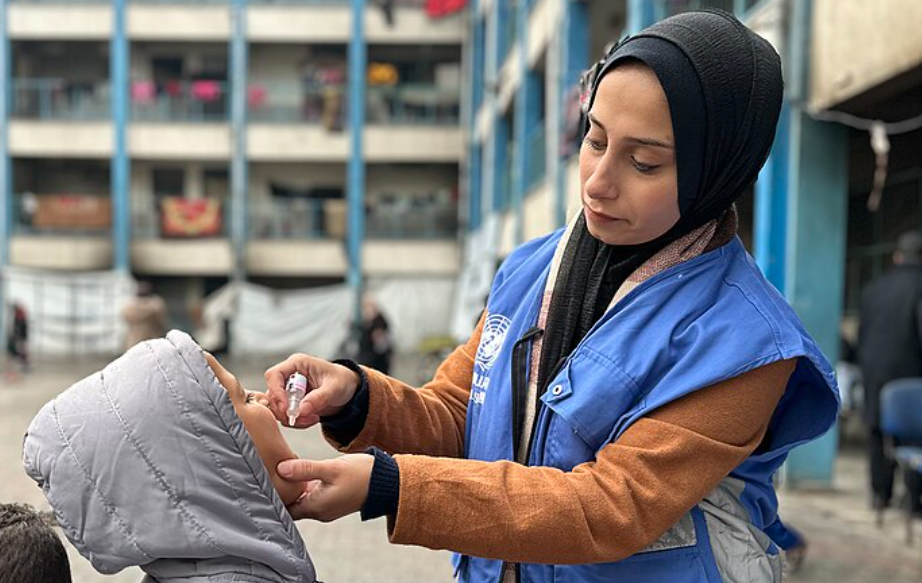
The World Health Organization defines health as a state of complete physical, mental, and social well-being and not merely the absence of disease or infirmity. As such, global health is influenced by many factors and has taken on an increased sense of urgency in the face of our shrinking planet and the impacts of global warming.
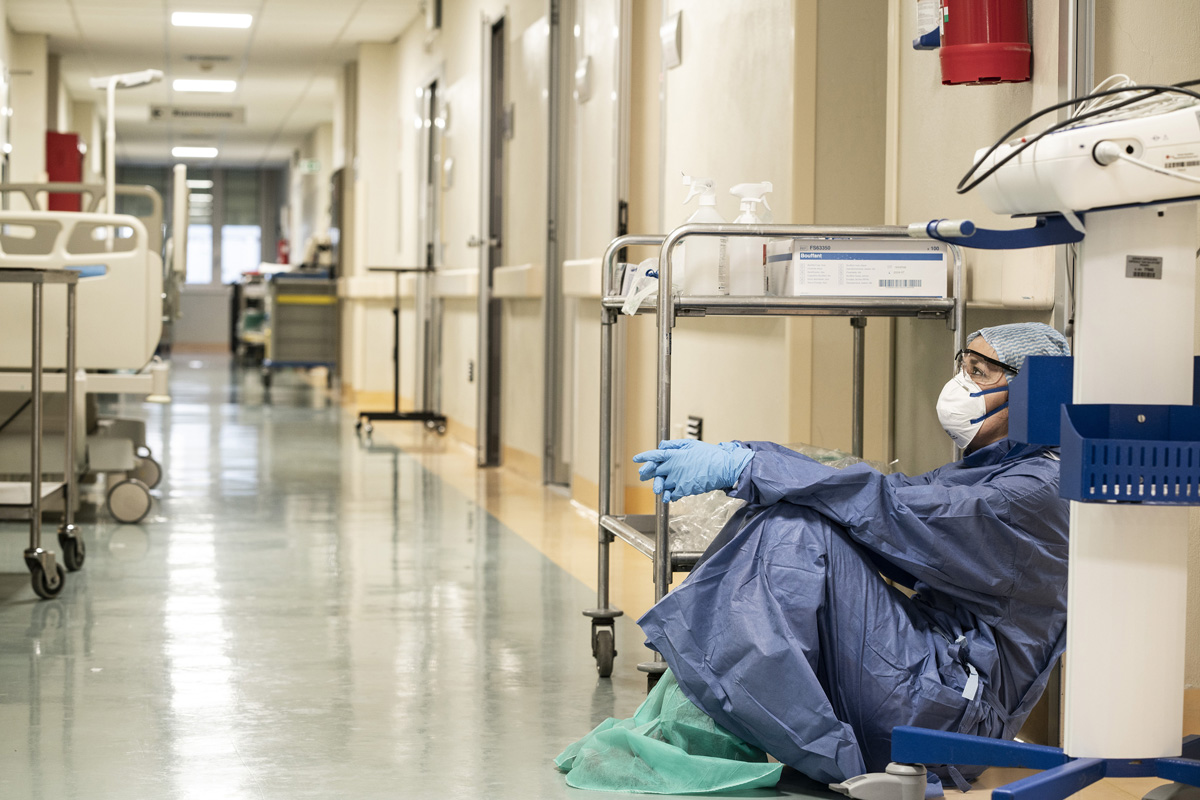
The COVID-19 Pandemic and Its Lessons

Public health, with its goals of preventing disease, promoting health and prolonging life, comprises a complex system affecting almost every facet of life, both in health and disease. Because its activities are population-based, most of its work remains in the background, out of sight and many times out of mind—until a public health crisis occurs. COVID-19 was a perfect storm.

The Pursuit of Health

Throughout human history, improved health and life expectancy have resulted more from safer environments, sanitary conditions, better nutrition, and our inherent healing capacities than from medical care when we get sick. How can we tap into this understanding to ensure a better future for us all?
Education for a Changing World

Education’s primary goal is to prepare young people for success in adult life. Our mid-21st century world has seen changes that no one would have envisaged even twenty years ago and education must respond to provide what students need.

The Challenges of Adolescence

During adolescence, bodily changes are apparent; equally significant but less obvious are transformations in the brain. Cognitive abilities expand, risk and reward centers become increasingly important, and self-regulation may be challenging. Peers wield considerable influence, though teachers, parents and other adults are important too. Empowering experiences, positive social connections, real-world challenges, and stimulating education can help adolescents transition into a healthy adulthood.

Global Health

The World Health Organization defines health as a state of complete physical, mental, and social well-being and not merely the absence of disease or infirmity. As such, global health is influenced by many factors and has taken on an increased sense of urgency in the face of our shrinking planet and the impacts of global warming.

The COVID-19 Pandemic and Its Lessons

Public health, with its goals of preventing disease, promoting health and prolonging life, comprises a complex system affecting almost every facet of life, both in health and disease. Because its activities are population-based, most of its work remains in the background, out of sight and many times out of mind—until a public health crisis occurs. COVID-19 was a perfect storm.
The Pursuit of Health

Throughout human history, improved health and life expectancy have resulted more from safer environments, sanitary conditions, better nutrition, and our inherent healing capacities than from medical care when we get sick. How can we tap into this understanding to ensure a better future for us all?

Education for a Changing World

Education’s primary goal is to prepare young people for success in adult life. Our mid-21st century world has seen changes that no one would have envisaged even twenty years ago and education must respond to provide what students need.

The Challenges of Adolescence

During adolescence, bodily changes are apparent; equally significant but less obvious are transformations in the brain. Cognitive abilities expand, risk and reward centers become increasingly important, and self-regulation may be challenging. Peers wield considerable influence, though teachers, parents and other adults are important too. Empowering experiences, positive social connections, real-world challenges, and stimulating education can help adolescents transition into a healthy adulthood.

External Stories and Videos

Time to Care

Time to Care

Oxfam Report to the 2020 World Economic Forum

The heavy and unequal responsibility of care work perpetuates gender and economic inequalities. This has to change.

Public Good or Private Wealth

Public Good or Private Wealth

Oxfam Report to the 2019 World Economic Forum

“The gap between rich and poor is pulling us apart. It stops us from beating poverty and achieving equality between women and men. Yet most of our political leaders are failing to reduce this dangerous divide. It does not have to be this way. Inequality is not inevitable – it is a political choice. Concrete steps can be taken to reduce it.”

Lost Mothers: Maternal Mortality in the U.S.

Lost Mothers: Maternal Mortality in the U.S.

NPR and Propublica Special Series

The U.S. has the highest rate of maternal mortality in the industrialized world, with the rate of life-threatening complications for new mothers more than doubled in two decades What is behind this alarming trend?

Organization for Economic Cooperation and Development (OECD)

Organization for Economic Cooperation and Development (OECD)

OCED

The OCED is a major source in our Human Journey assessment of key challenges we face on the road to the future. Founded in 1961 and headquartered in Paris, France, the OCED provides a forum for 35 member countries to share experiences, seek solutions to common problems, and promote policies to improve the economic and social well-being of people around the world. OECD Watch “aims to ensure that business activity contributes to sustainable development and poverty eradication and that corporations are held accountable for their impacts around the globe.”

Book Reviews