Global Health
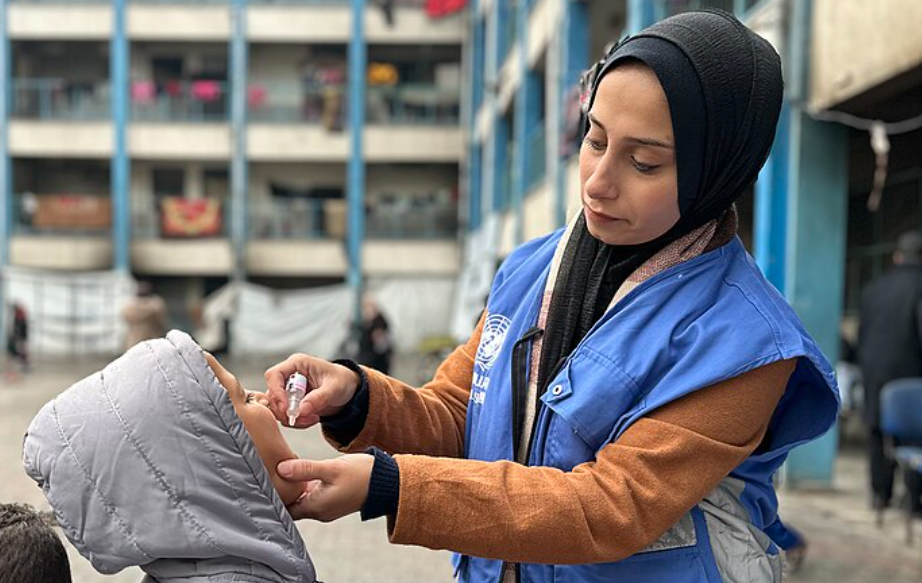
Mohammed Hinnawi, Wikimedia Commons
How Income Influences Our Health and Lives
Our income level is a significant determinant of our health and wellbeing. People who have lower incomes tend to live shorter lives than the comparative fewer who don’t. They are also vulnerable to a host of risks and dangers because of their tenuous day-to-day subsistence.

Your ZIP Code May Be Hazardous to Your Health
How long you live may be determined by your zip code at birth …and a number of other social determinants.
Defense against Infectious Diseases
At least 21 million extra lives were saved due to the accelerated progress resulting from the efforts of the Millennium Development Goals between 2000 and 2015 in child mortality and malaria, maternal mortality, HIV/AIDS and tuberculosis.
Maternal and Child Health
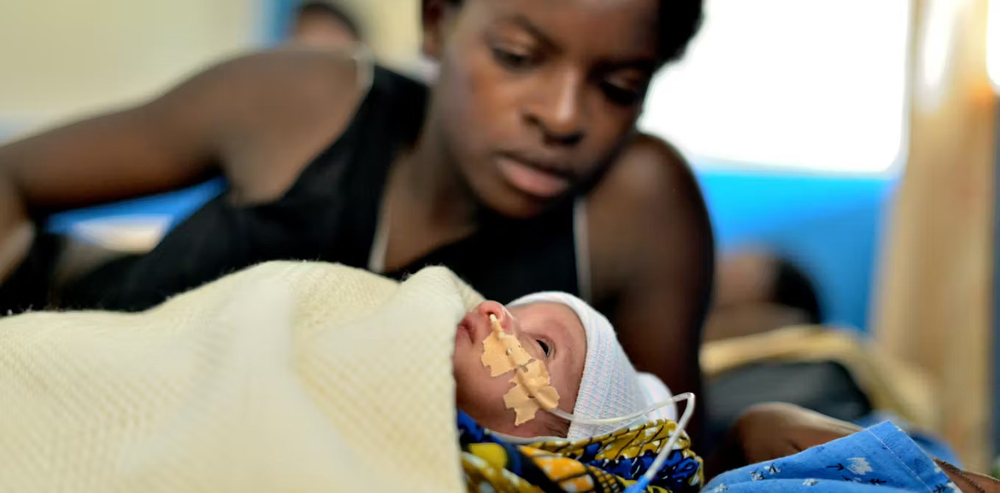
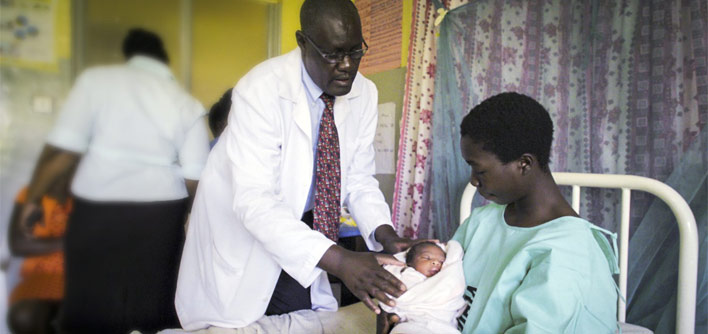
About 830 women die from pregnancy or childbirth related complications around the world every day. Of the 130 million babies born worldwide each year, about 2.7 million do not survive the first four weeks of life. The simple act of better birth spacing by expanding availability of contraception can reduce maternal mortality by 30% and child mortality by 20%.
How Income Influences Our Health and Lives
Our income level is a significant determinant of our health and wellbeing. People who have lower incomes tend to live shorter lives than the comparative fewer who don’t. They are also vulnerable to a host of risks and dangers because of their tenuous day-to-day subsistence.
Your ZIP Code May Be Hazardous to Your Health
How long you live may be determined by your zip code at birth …and a number of other social determinants.
Defense against Infectious Diseases
At least 21 million extra lives were saved due to the accelerated progress resulting from the efforts of the Millennium Development Goals between 2000 and 2015 in child mortality and malaria, maternal mortality, HIV/AIDS and tuberculosis.
Maternal and Child Health
About 830 women die from pregnancy or childbirth related complications around the world every day. Of the 130 million babies born worldwide each year, about 2.7 million do not survive the first four weeks of life. The simple act of better birth spacing by expanding availability of contraception can reduce maternal mortality by 30% and child mortality by 20%.