Our Climate Crisis—and What We Can Do About It
Image: Wikimedia Commons
Three Basic Facts about the Climate
Today everyone knows (or certainly should know) that the Earth is warming, that humans are the cause, and that this warming is changing our planet’s climate in a way that threatens life as we now find it.
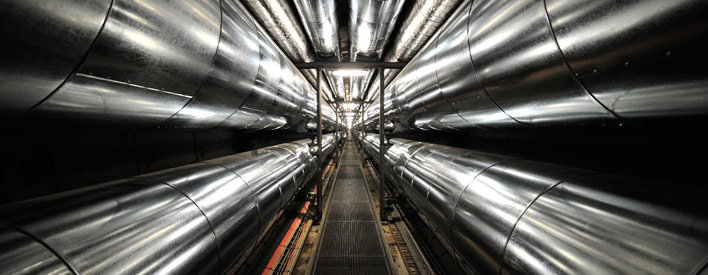
Energy, Greenhouse Gases, and Climate Change in the Twenty-first Century
Human activities today—primarily, but not only, energy production—emit massive amounts of greenhouse gases, changing our climate and producing enormous environmental changes, despite efforts to increase low-carbon energy production.
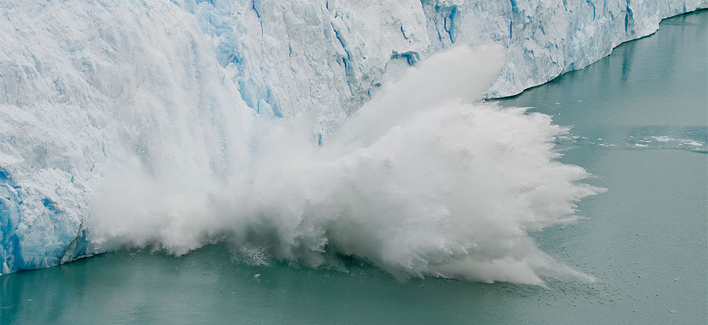
Tipping Points—The Riskiest Bet
When our planet’s average temperature increases steadily and gradually, the climate–the range of the weather over a period of time–gradually changes as well, until it suddenly jumps into a new condition. Scientists who study these abrupt changes refer to them as tipping points.
Sunlight and Darkness in China
China, the world's largest emitter of greenhouse gases, has promised to shrink emissions to zero by 2060. It is critical to anyone born in this century that China keeps this promise.
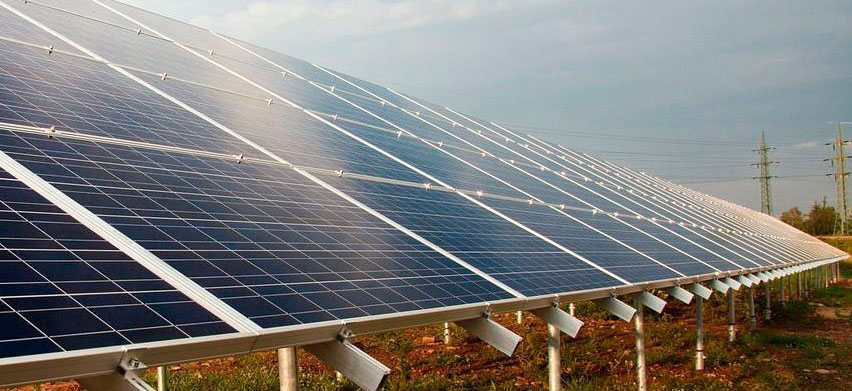
India: Stepping Back from the Precipice
In recent years India has defied calls to abandon its aggressive plans to burn more coal. But now economics and a crisis in health have set the nation on a new course.
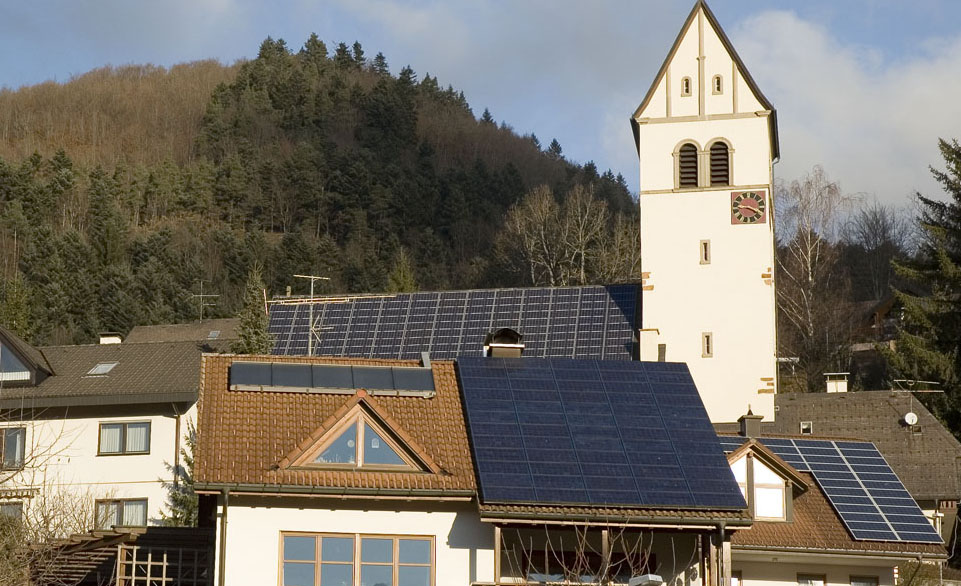
Europe’s Climate Response: The Race for a Green Future
Europe faces escalating climate challenges, from heatwaves to rising sea levels. As the continent strives for a sustainable future, bold actions like green energy investments and climate laws are transforming everyday life.
The Downside of Being First
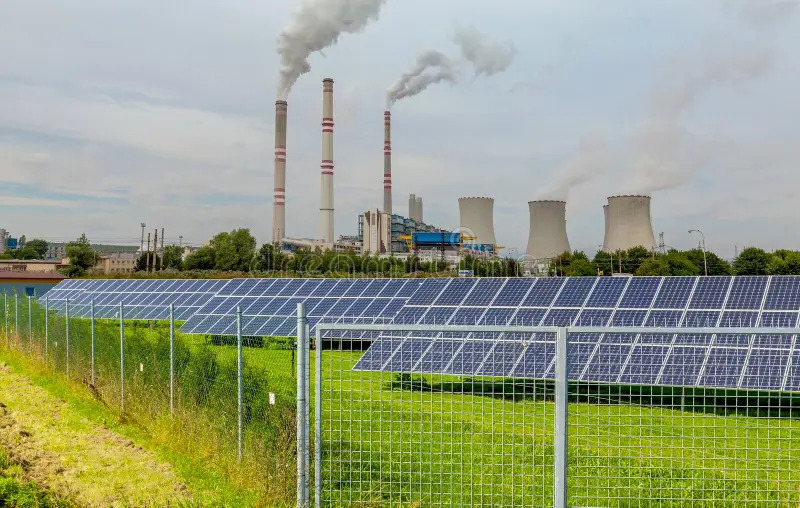
The US has by far the most extensive energy infrastructure. Upgrading it for renewable energy will be difficult and expensive but enormously beneficial.

Our Dark Materials
Powering the world using sustainable energy will require huge numbers of wind turbines, solar panels, and storage batteries. These will need many new sources of rare earth materials.
Energy Efficiency and Sustainability
Improvements in energy efficiency are by far the quickest and least costly solution to the climate crisis.
Why We Should Care About Concrete
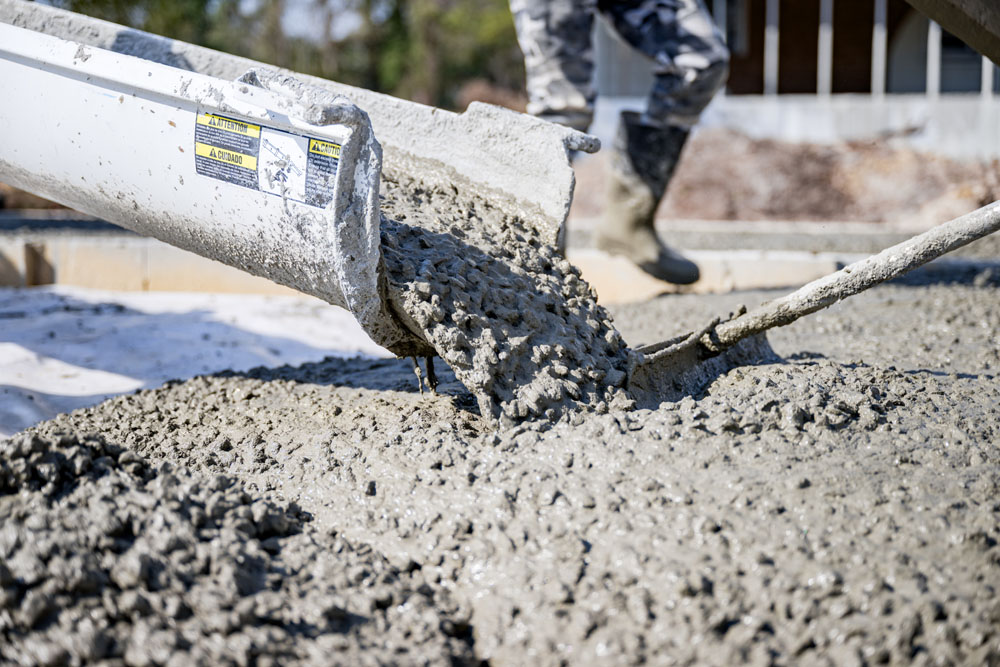
Concrete is one of the world’s most polluting materials, yet new approaches are transforming its environmental footprint. Innovations in low-carbon and bio-based concrete are opening the door to a more sustainable built environment.
The Future of Batteries…and the Future of Energy
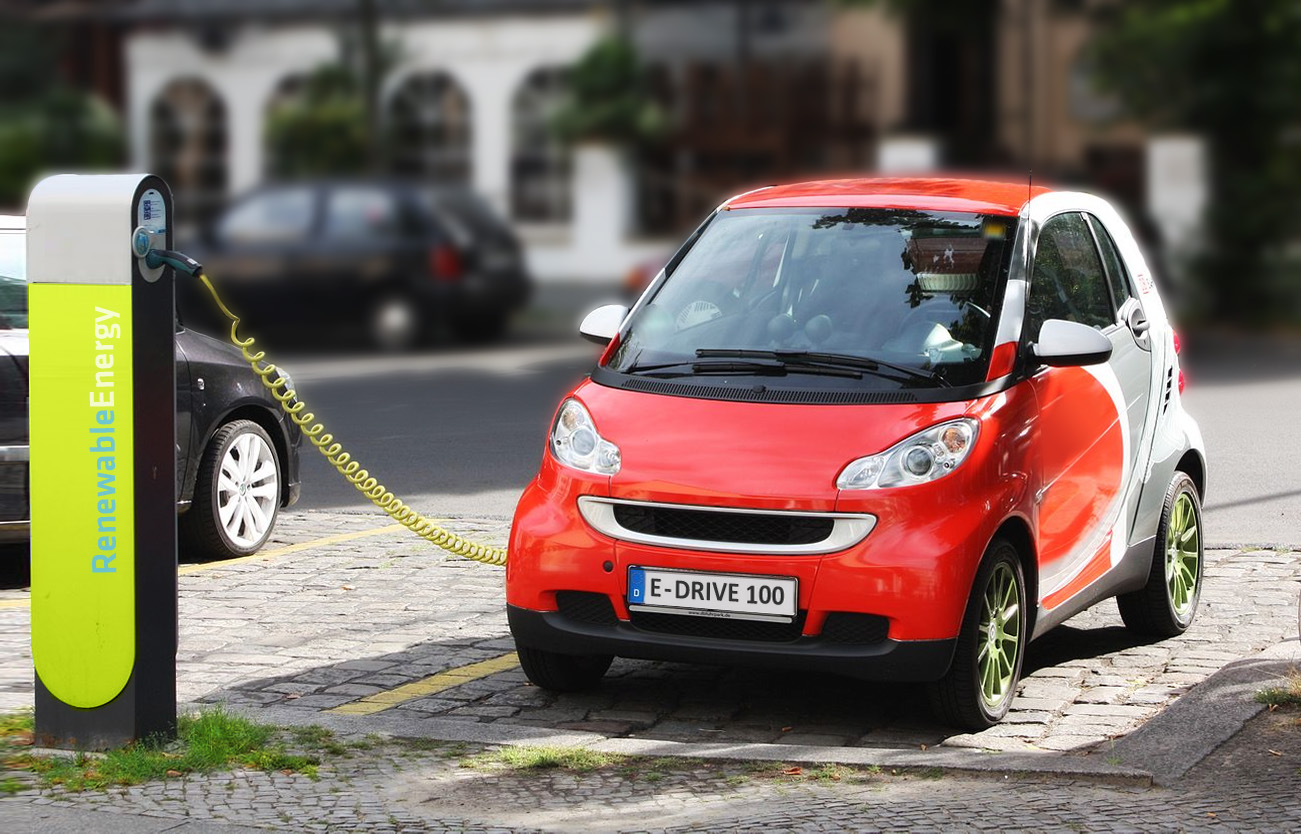
Batteries are at the heart of the clean energy revolution, powering electric vehicles and storing renewable power. Today’s lithium-ion technology is reaching its limits, so what’s next?
Three Basic Facts about the Climate
Today everyone knows (or certainly should know) that the Earth is warming, that humans are the cause, and that this warming is changing our planet’s climate in a way that threatens life as we now find it.
Energy, Greenhouse Gases, and Climate Change in the Twenty-first Century
Human activities today—primarily, but not only, energy production—emit massive amounts of greenhouse gases, changing our climate and producing enormous environmental changes, despite efforts to increase low-carbon energy production.
Tipping Points—The Riskiest Bet
When our planet’s average temperature increases steadily and gradually, the climate–the range of the weather over a period of time–gradually changes as well, until it suddenly jumps into a new condition. Scientists who study these abrupt changes refer to them as tipping points.
Sunlight and Darkness in China
China, the world's largest emitter of greenhouse gases, has promised to shrink emissions to zero by 2060. It is critical to anyone born in this century that China keeps this promise.
India: Stepping Back from the Precipice
In recent years India has defied calls to abandon its aggressive plans to burn more coal. But now economics and a crisis in health have set the nation on a new course.
Europe’s Climate Response: The Race for a Green Future
Europe faces escalating climate challenges, from heatwaves to rising sea levels. As the continent strives for a sustainable future, bold actions like green energy investments and climate laws are transforming everyday life.
The Downside of Being First
The US has by far the most extensive energy infrastructure. Upgrading it for renewable energy will be difficult and expensive but enormously beneficial.
Our Dark Materials
Powering the world using sustainable energy will require huge numbers of wind turbines, solar panels, and storage batteries. These will need many new sources of rare earth materials.
Energy Efficiency and Sustainability
Improvements in energy efficiency are by far the quickest and least costly solution to the climate crisis.
Why We Should Care About Concrete
Concrete is one of the world’s most polluting materials, yet new approaches are transforming its environmental footprint. Innovations in low-carbon and bio-based concrete are opening the door to a more sustainable built environment.
The Future of Batteries…and the Future of Energy
Batteries are at the heart of the clean energy revolution, powering electric vehicles and storing renewable power. Today’s lithium-ion technology is reaching its limits, so what’s next?