Indus-Sarasvati Civilization:
Mohenjo-Daro 2600–1900 BCE
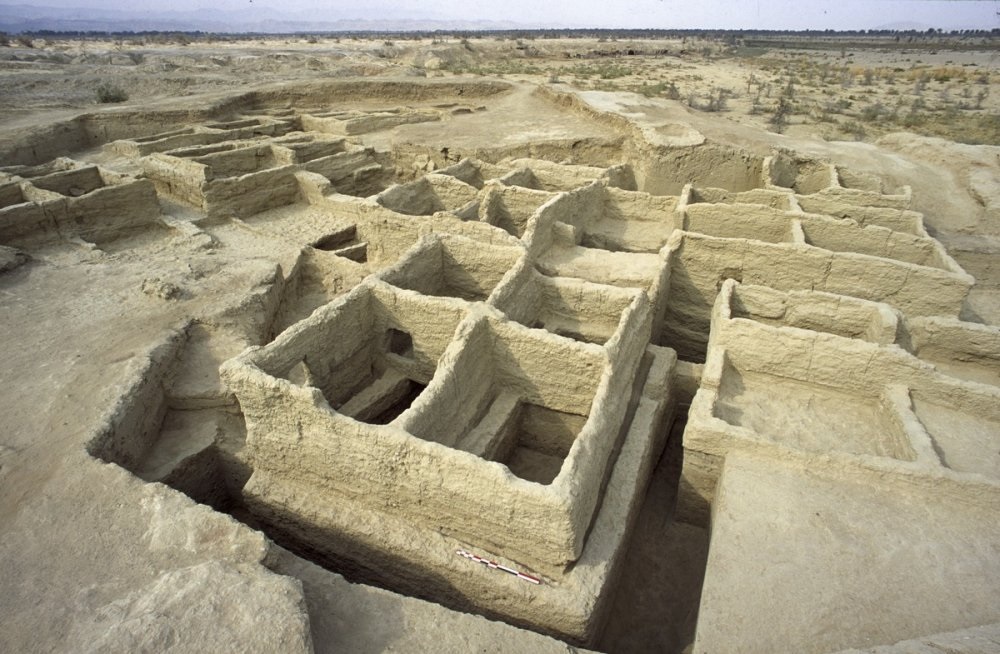
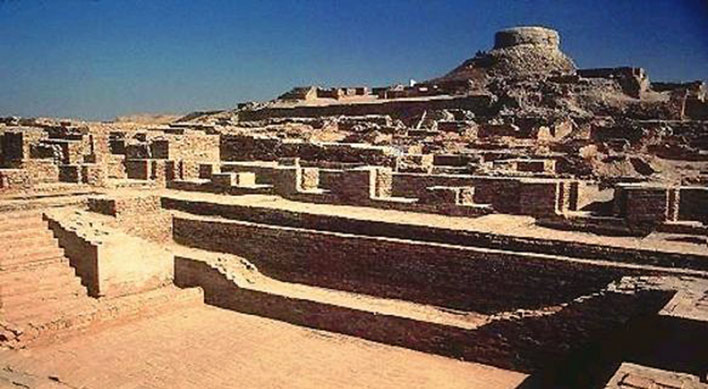
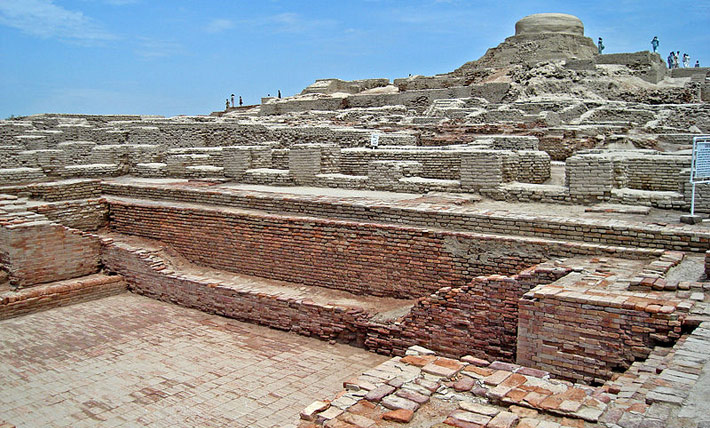
During its prime from about 2500 to 1900 BCE, Mohenjo-Daro was one of the most important cities of the Indus civilization, with as many as 35,000 inhabitants. It spread out over about 250 acres (100 hectares) on a series of mounds; the Great Bath and an associated large building occupied the tallest mound.
There is no evidence of palaces, temples, or monuments, no obvious central seat of government or evidence of king or queen.
Constructed on the build-up of occupation debris and massive mud brick platforms, the settlement grew to monumental proportions, with high mounds reaching as high as 12 meters above the modern plain level, and probably much higher above the ancient plain. Its design is similar to other Indus-Sarasvati city sites with streets running in a grid pattern. They vary from 9 feet to 34 feet wide, suitable for wheeled traffic. Larger multi-roomed buildings, often two or three storied, were situated on either side of the main streets and may have been for administrative or collective functions, with the smaller two-roomed rectangular dwellings on either side of what might be viewed as lanes. There is no evidence of palaces, temples, or monuments, no obvious central seat of government or evidence of king or queen.
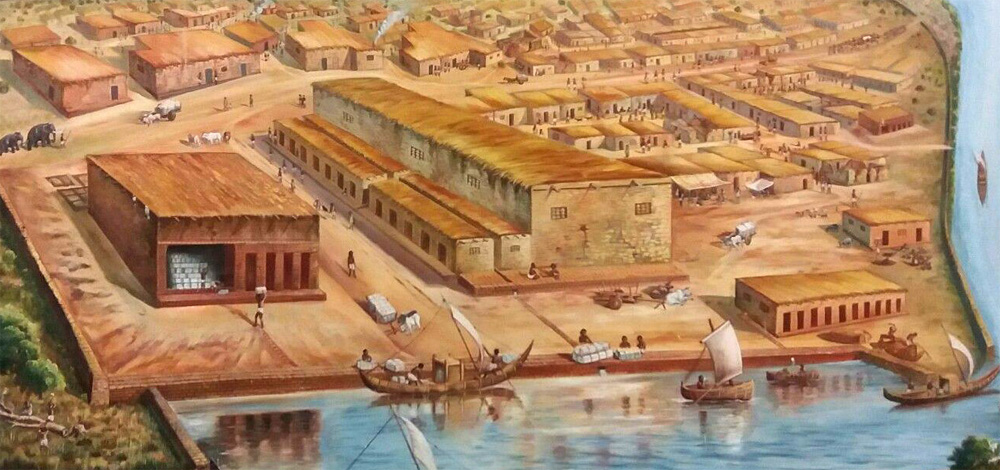
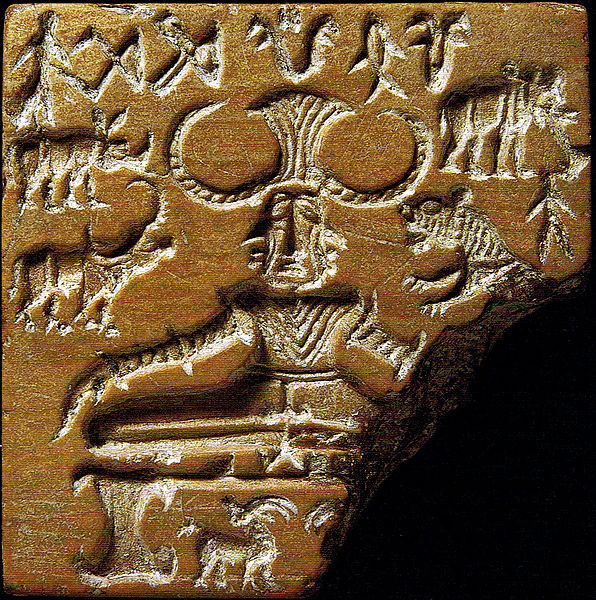
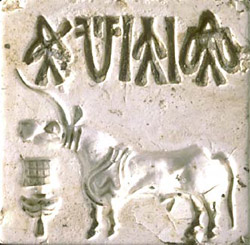
Settlements flourished along the coastline of Northwest India, in particular in the Gujarat region. Here the town of Lothal was established around 2400 BCE on a former course of the Sabarmati River, which provided nearby access to the Arabian Sea and maritime trade routes. Here we find the first known dockyard in history connected to a substantial wharf, which lead up to a warehouse. The warehouse consisted of 64 rooms, 3.5 m x 3.5 m, with spacious passageways in between. Many seals have been found in the vicinity that were most likely used to label and denote ownership of goods being processed there.
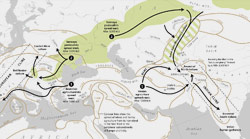
Aryan Migration: Everything You Need to Know About the New Study on Indian Genetics
Rohan Venkataramakrishnan, Scroll.in
The study says some sort of migration did indeed take place into India and that the Indus Valley civilization is key to all South Asian populations.
Harappa.com
Harappa.com
Explore the ancient Indus Valley civilization through slideshows, essays and articles from leading scholars from India, Pakistan, US, and Europe.