Connecting with the Gods
Cosmic and Terrestrial Maintenance
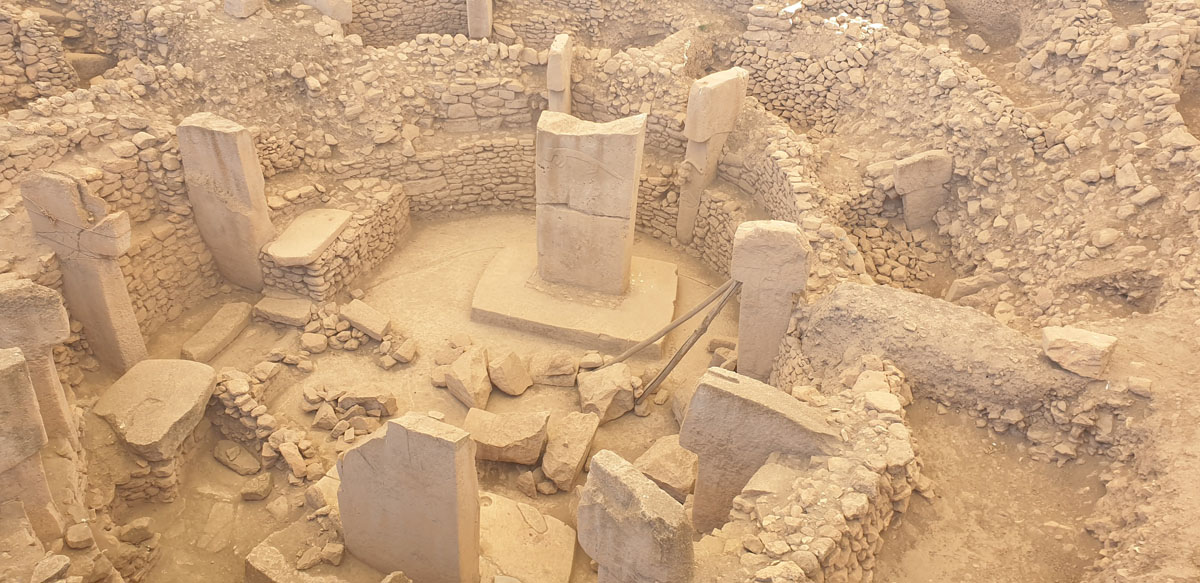
A huge communal effort by humans to maintain cosmic and terrestrial harmony shaped the Neolithic Revolution. Also known as the Agricultural Revolution, this period marked the start of organized religion, agriculture, and science.
Death and Transcendence
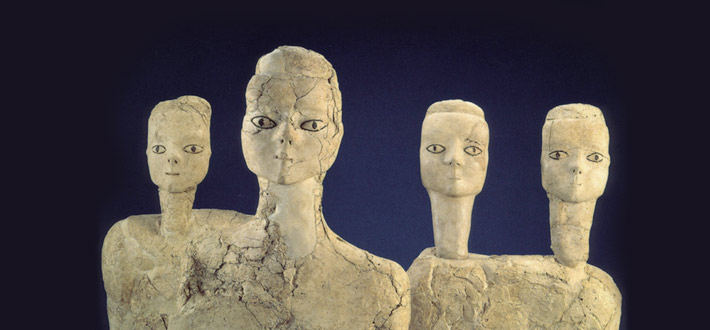
In the Neolithic period, shamans became the specialists in transcendence. The stability of the community rested on their ability to engage the whole group by connecting it to the spirit world. How did they do this?
Neolithic Architecture: Replicating the Cave Experience
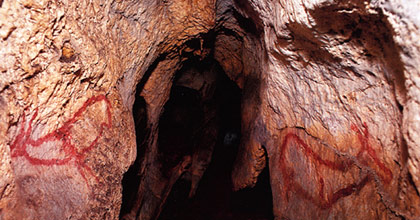
Unlike their prehistoric ancestors, Neolithic shamans no longer had to rely on the natural topography of each cave to fashion their sacred art. Instead, they designed and built structures that repeated the cave experience.
Neolithic Beliefs and Customs Migrate West
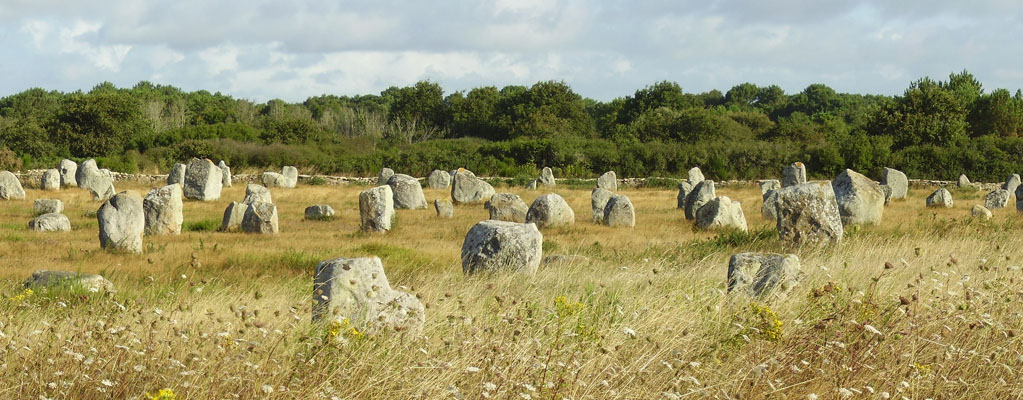
During the Neolithic era, as land became exhausted, people were obliged to move to newer pastures. They traveled not only with their families but also with their animals, and, most importantly for us, with their customs and beliefs.
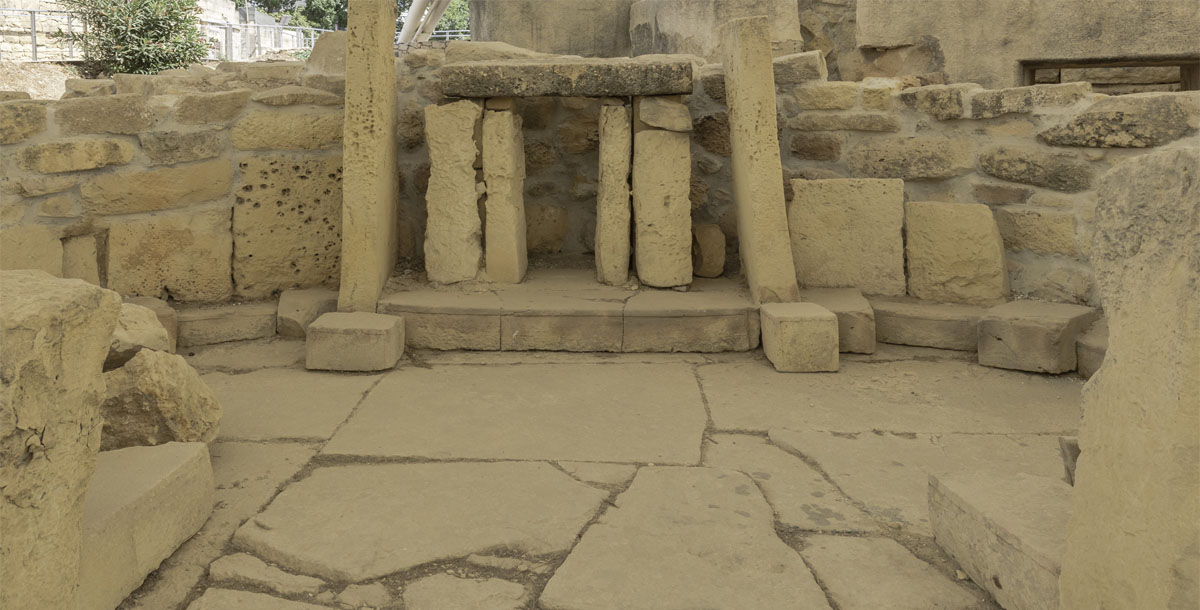
Megalithic Temples of Malta: A Scientific Breakthrough
At the foot of Sicily are two islands, Malta and Gozo, where more than 23 megalithic temples once stood. The construction of these temples spanned over a thousand years of continuous building and elaboration.
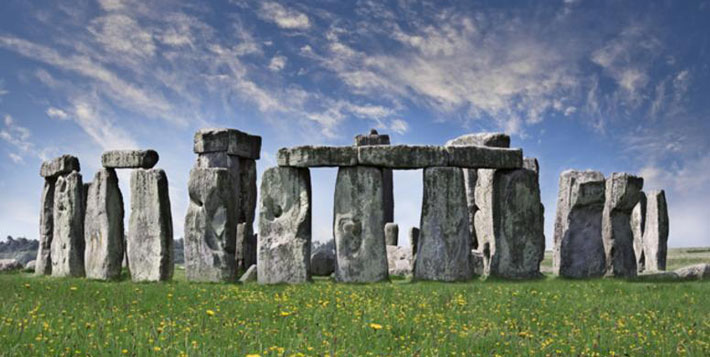
Britain’s Megalith Building Boom
In Britain, about 1,300 Neolithic mega-sites appear to have been built within little more than a century.
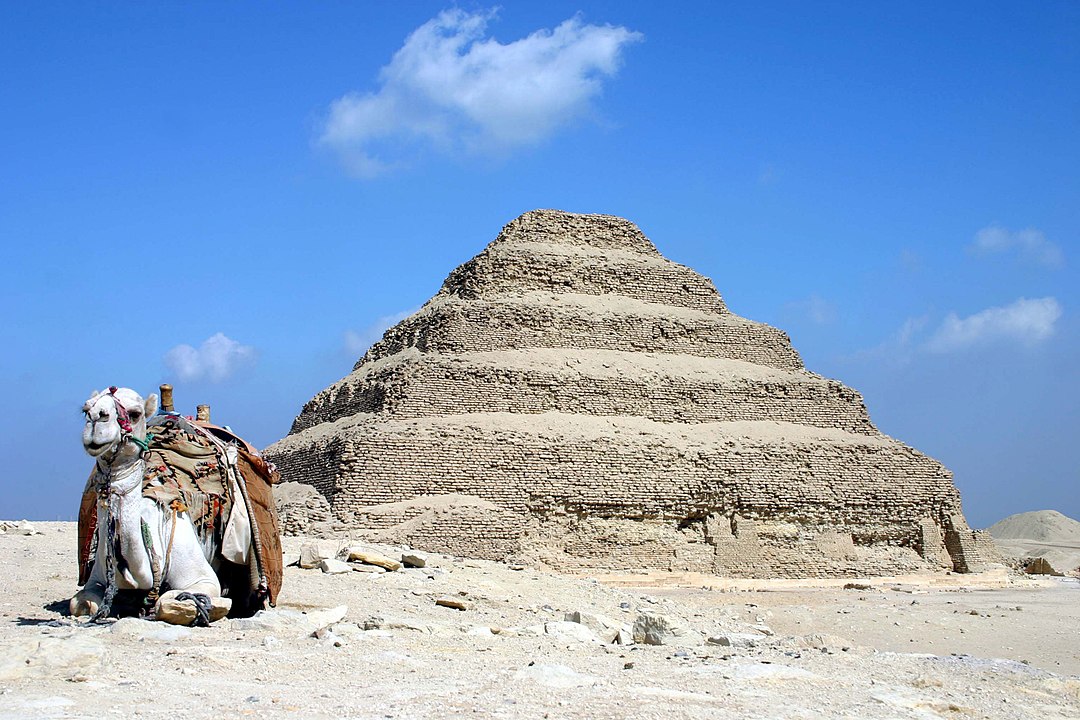
Pyramids: Stairways to the Gods
Pyramid-shaped structures are yet another example of how human beings expressed their psychological understanding of our place in the universe as three-tiered.
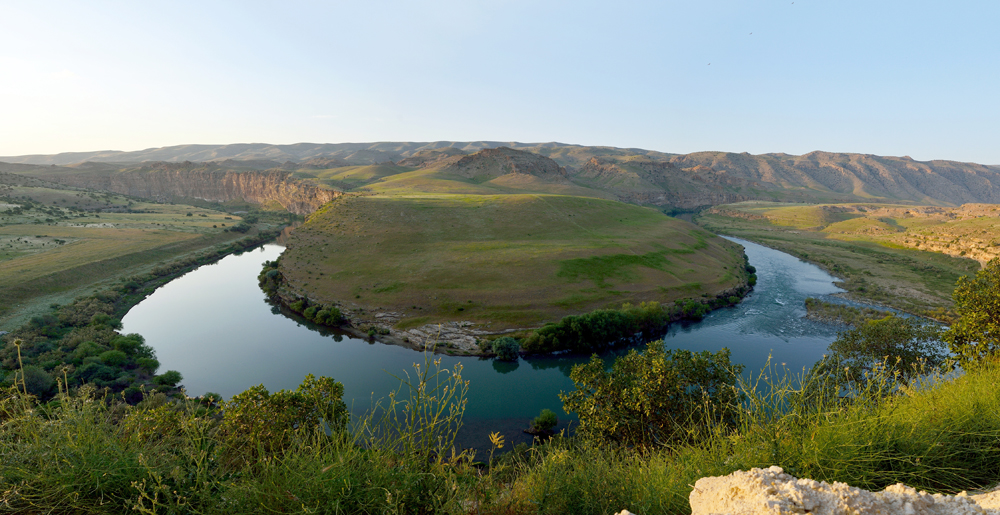
Mesopotamia: “The Land Between Two Rivers”
Part of the Fertile Crescent, Mesopotamia (“the land between two rivers” in Greek), was by its geographical location and development influential in the region from at least 2500 BCE to the fall of Babylon in 539 BCE.
Mesopotamian Worldview and Beliefs
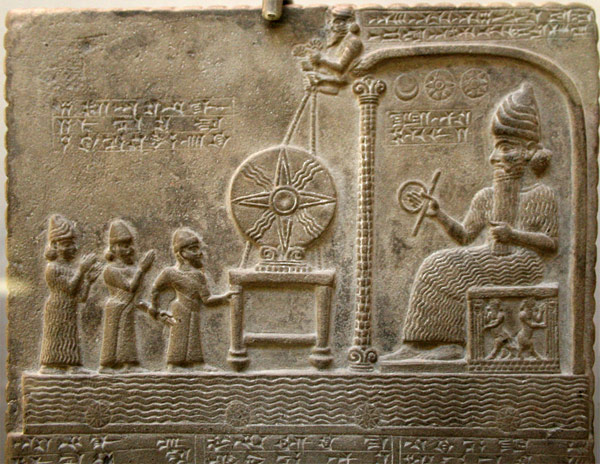
The ancient Mesopotamians believed that their fates hinged on the whims of the deities, demons, and gods that ruled over them.
Ziggurats: Connecting Heaven and Earth
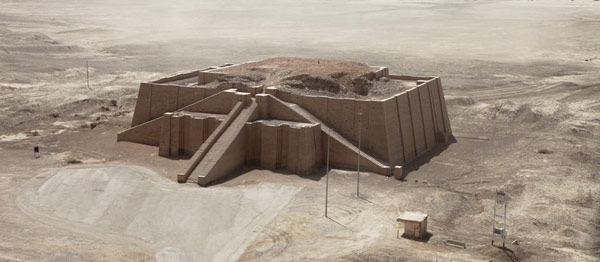
The ziggurat, the “mountain of God” or “hill of Heaven” was the center of the temple complex. Built of clay bricks, it was a massive, solid, pyramidal stepped structure, the summit of which housed the God.
Marduk and the Early Signs of Monotheism
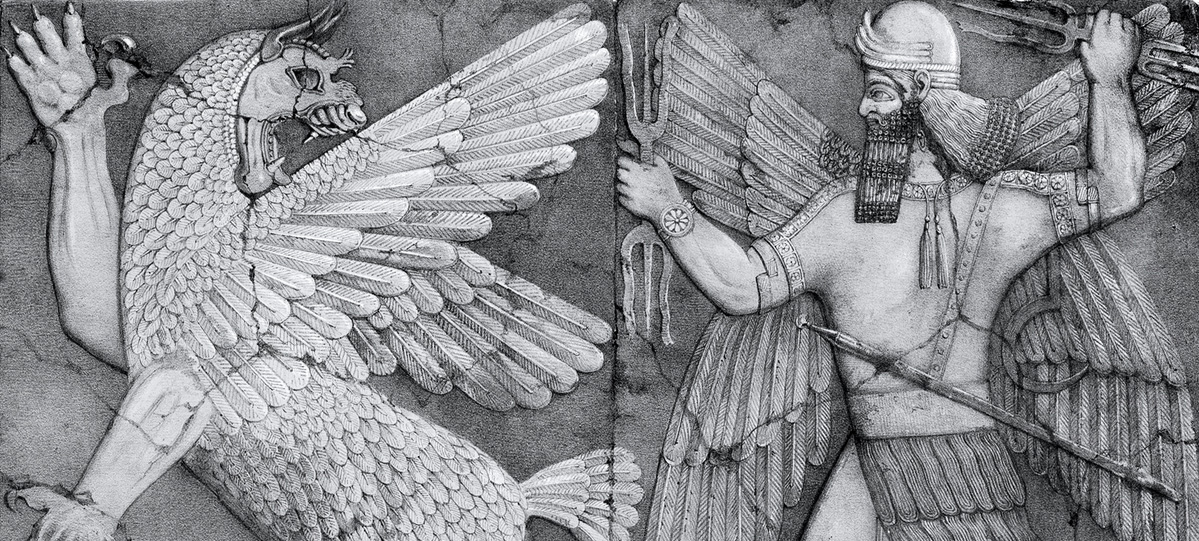
During the reign of Hammurabi in the 18th century BCE, Babylon became the principal city of southern Mesopotamia, and the patron deity of Babylon, the god Marduk, was elevated to the level of supreme god.
Ancient Mesopotamian Literature and Sacred Texts
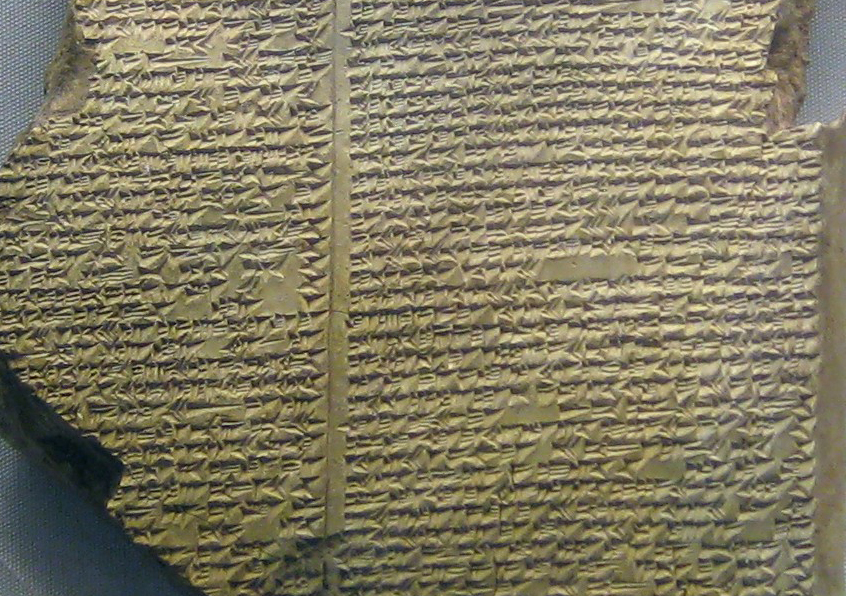
Mesopotamian scribes published a body of legends, epics, and sacred literature on cuneiform tablets, like the ‘Enuma Elish’ and ‘The Epic of Gilgamesh’, that were to influence later civilizations.
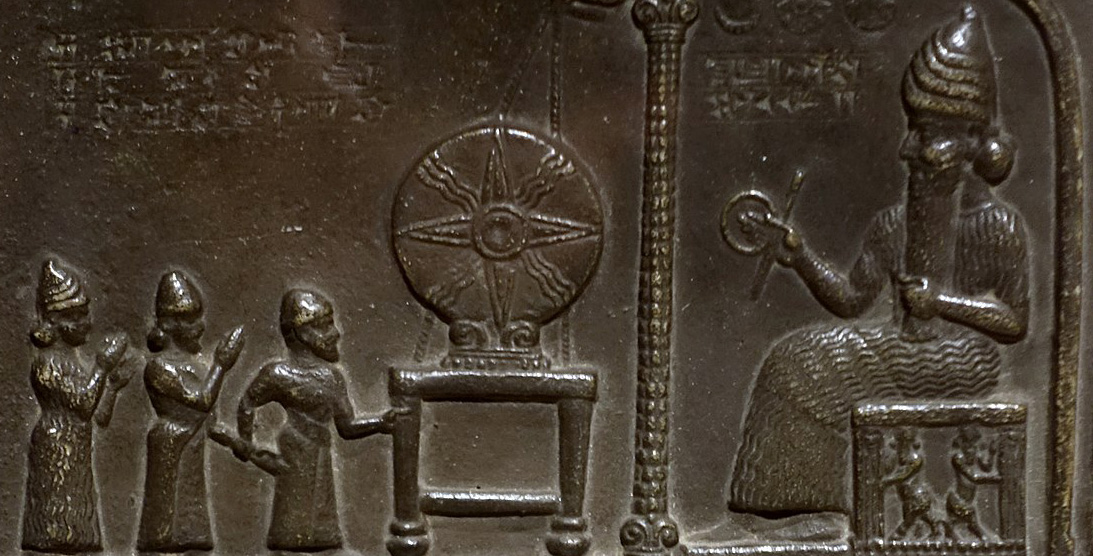
Understanding Cuneiform Tablets and Writing
From their cuneiform writings on clay tablets scholars know that the Mesopotamians, like the later Greeks, attempted to understand their world and the universe in any way they could.
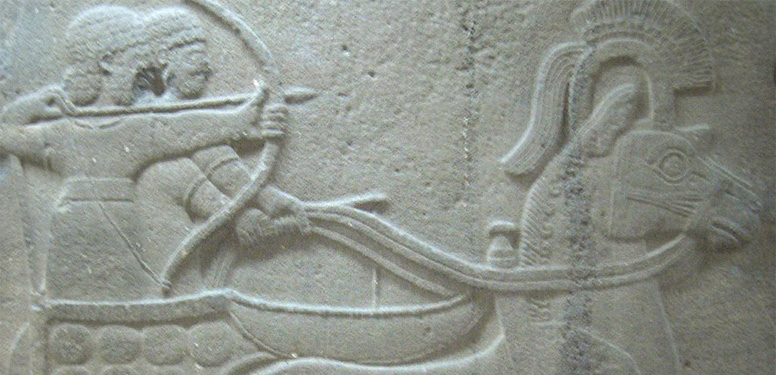
The Noble Ones
The Aryans or “Noble Ones” were thought to have remained together on the Caucasian steppes from about 4500 BCE until about 2500 BCE when groups began to migrate.
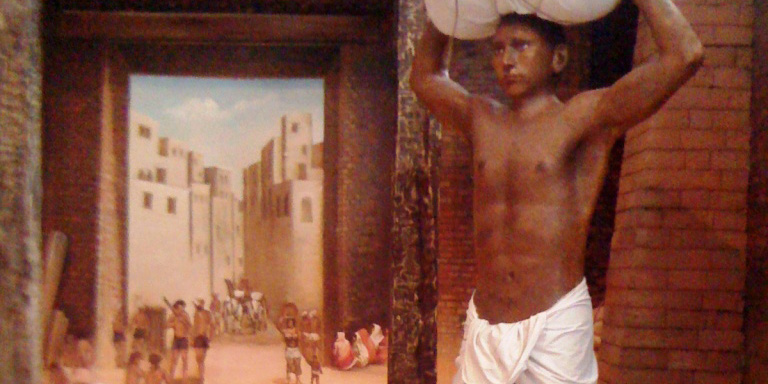
Indus-Sarasvati Civilization
By 2500 BCE the Indus-Sarasvati or Harappan civilization became the largest civilization of the Ancient world, extending over more than 386,000 square miles across the plains of the Indus River from the Arabian Sea to the Ganges.
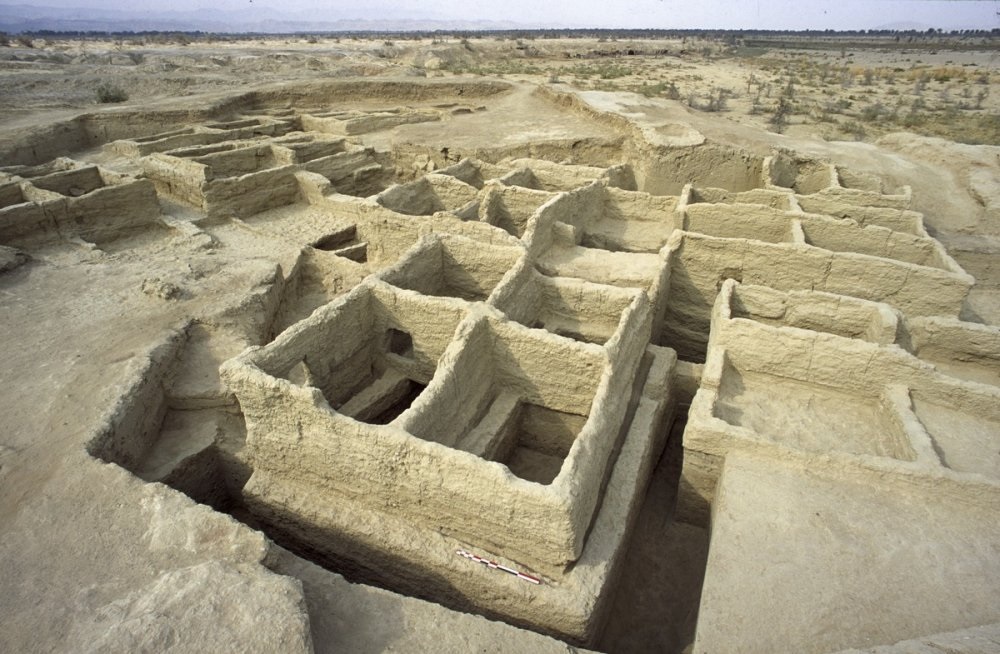
Mehrgarh (7000–2000 BCE)
The Neolithic site of Mehrgarh is located to the west of the Indus-Sarasvati flood plain, in Baluchistan east of the mountain city of Quetta in Pakistan.
Harappa (3500–1900 BCE)
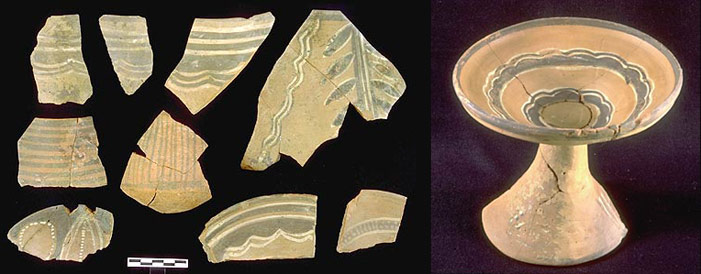
The ancient city of Harappa, situated on a tributary to the Indus River in Pakistan, grew into a bustling settlement. Damage under British colonial rule and looting by local people likely set back our knowledge of this civilization.
Mohenjo-Daro (2600–1900 BCE)
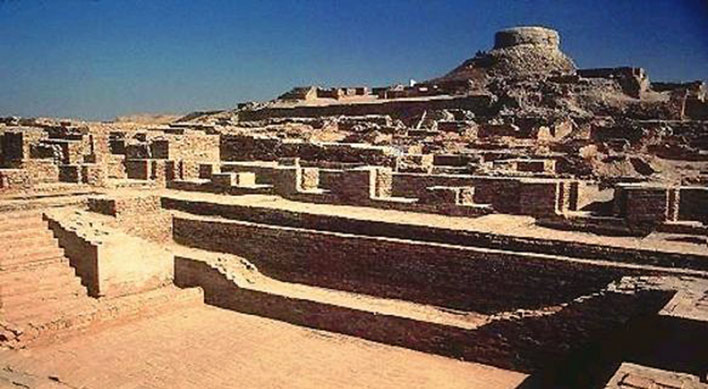
Located between the two vast river valleys of the Indus and the Sarasvati, Mohenjo-Daro was one of the most important cities of the Indus civilization.
The Demise of the Indus Civilization
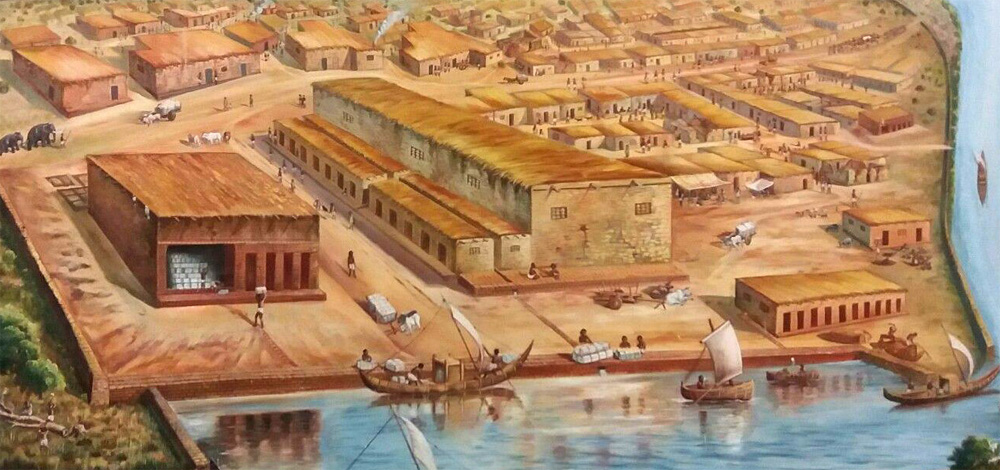
By about 3,900 years ago (1900 BCE), the monsoons had shifted east causing the Sarasvati to gradually change from a perennial to a seasonal river. This and other challenges caused the Indus civilization to decline.
Indus-Sarasvati People: Who Were they? What did they Believe?
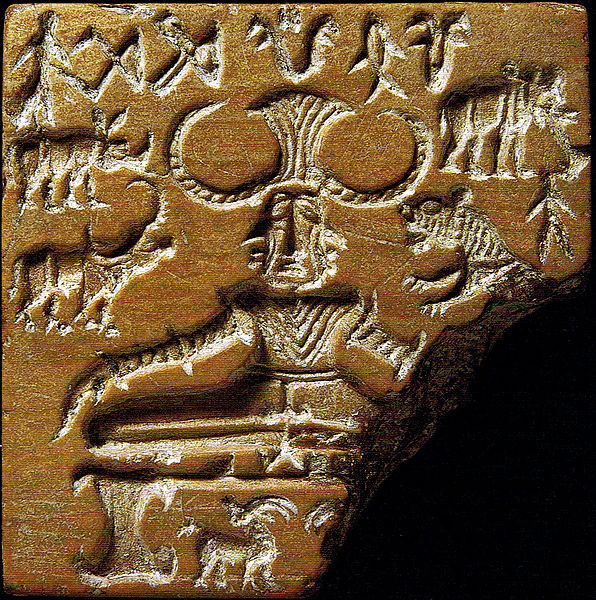
We know almost nothing of the Indus-Sarasvati people or their religion. Speculations on the meaning of figurines, depictions on seals, etc., are just that.
The Cycladic Civilization Circa 3300 to 1100 BCE
The beginnings of a material culture in Greece took shape in a cluster of 30 small Aegean islands in the Neolithic and early Bronze Ages. Together they are known as the Cyclades, from the archaic Greek word kyklos, meaning “cycle.”
Minoa–Europe’s First Civilization ca 2000–1400 BCE
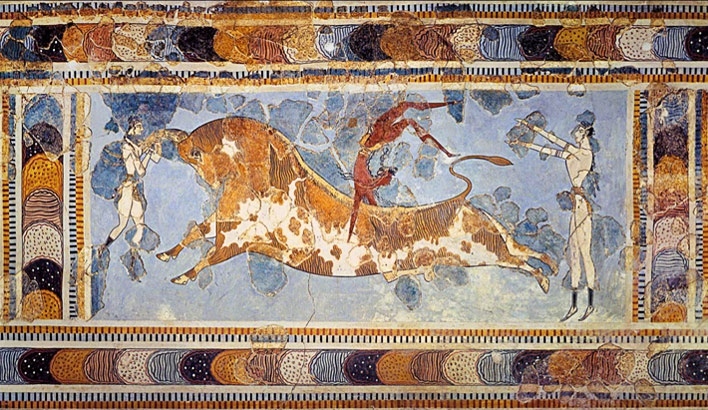
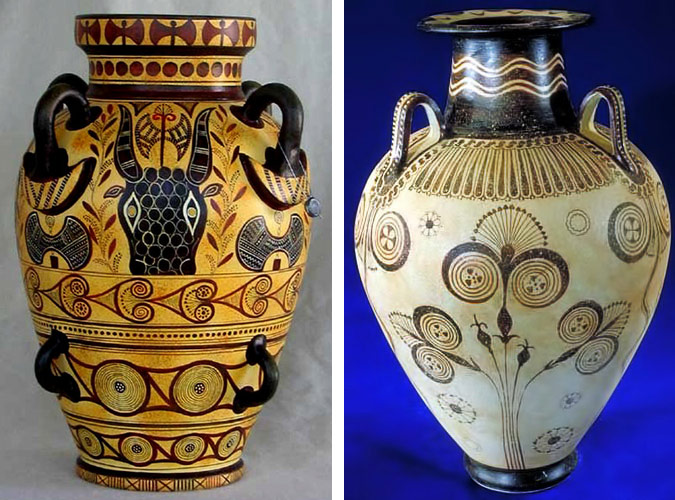
Crete sits at the crossroads of Africa, Asia, and Europe and was the hub of the Minoan civilization: a cosmopolitan world that included Egypt, the Levant, Anatolia, and the Greek mainland.
Minoan “Palaces” and Religious Beliefs
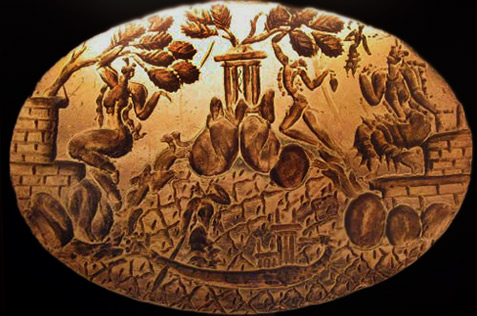
In 1900, the famed archaeologist Sir Arthur Evans provided the first evidence of an extraordinary civilization. He named it Minoan, after the legendary King Minos, son of Zeus.
The Decline of the Minoan Civilization
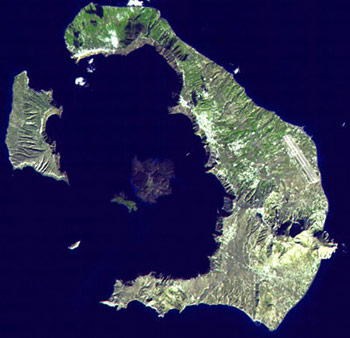
Conflicts, earthquakes and volcanic eruptions, especially at Thera in 1628 BCE, weakened and helped bring an end to the Minoan civilization.
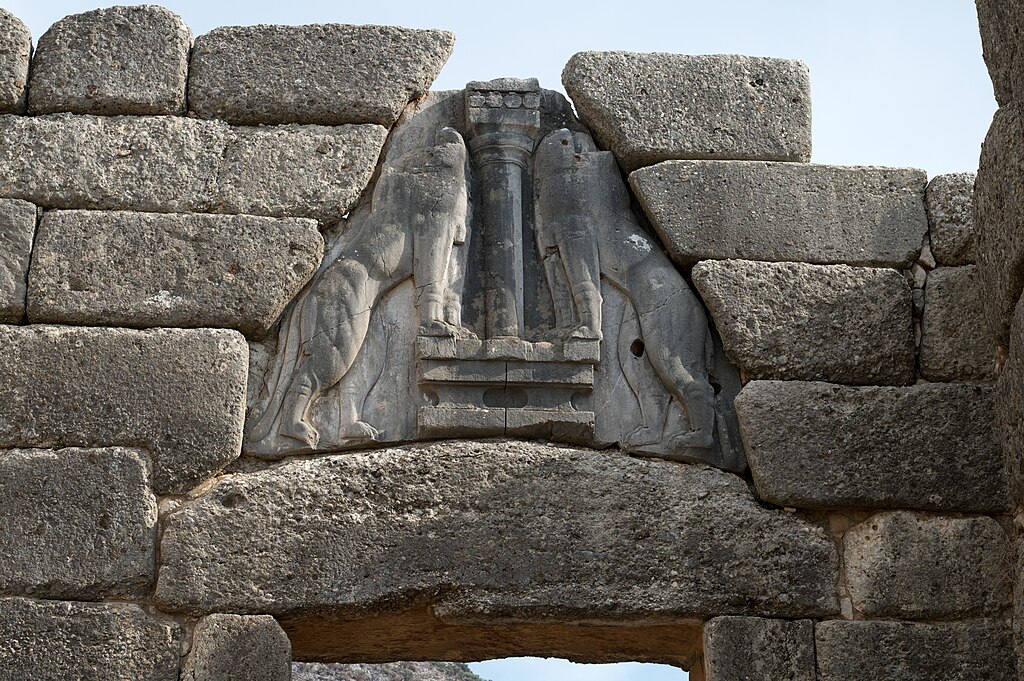
The Mycenaeans 1600–1100 BCE
The Mycenaeans, a warrior class who came to dominate the Aegean, were closely related to the Minoans. Both descended from early farmers who lived in Greece and southwestern Anatolia.
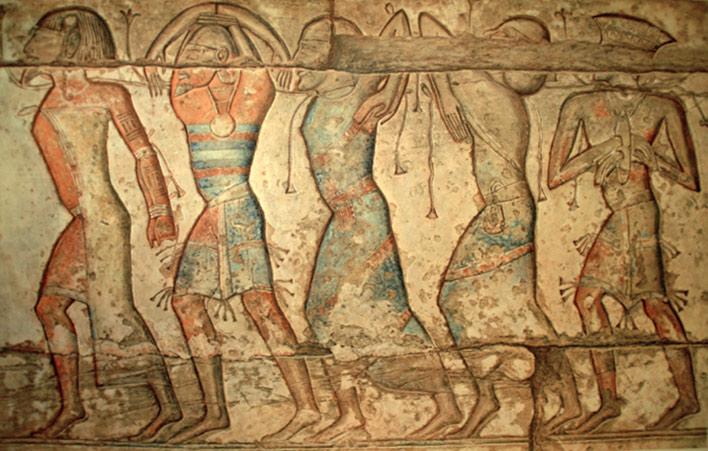
The Collapse of the First Global Economy
Could a series of catastrophes over a century or more, have led to the final collapse of the Bronze Age civilizations in the Aegean, Egypt, and the Near East after nearly two thousand years of growth and prosperity?
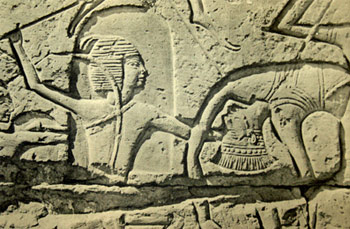
The Dark Ages of Antiquity
After nearly two thousand years of growth and prosperity, (ca 3000–1200 BCE) the civilizations in the Aegean, Egypt, and the Near East unraveled. What happened?
The Perfect Storm
Is what happened in the ancient world over 3,000 years ago likely to happen again, but on a much larger scale?
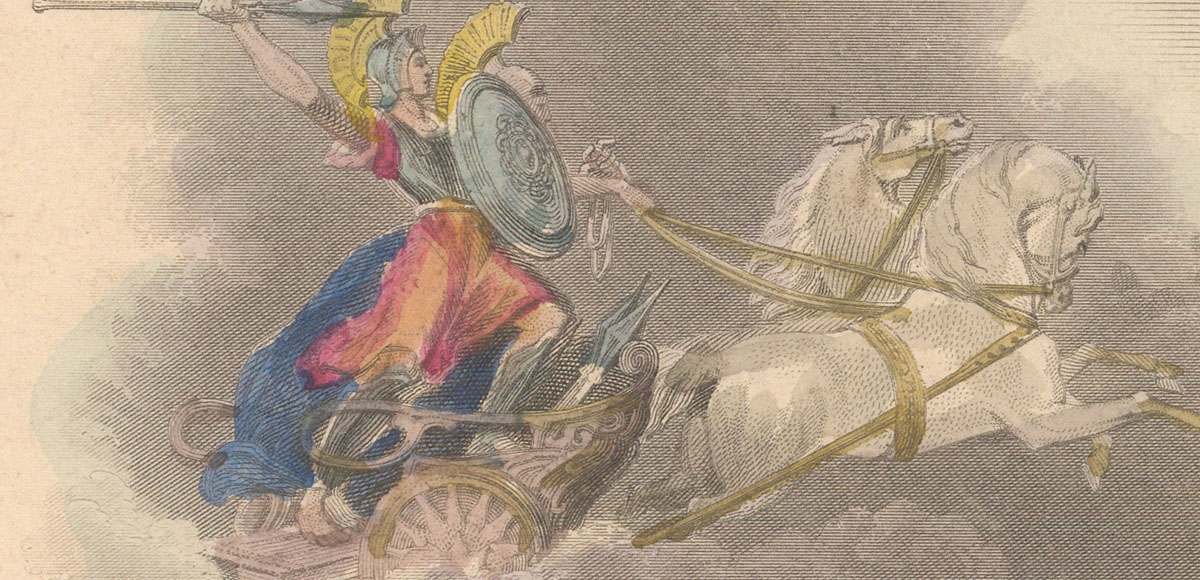
The Greek Dark Age and a New Dawn
Evidence of very early settlement on the Greek Islands comes from the Franchthi cave, overlooking the Argolid Sea in the Peloponnese.
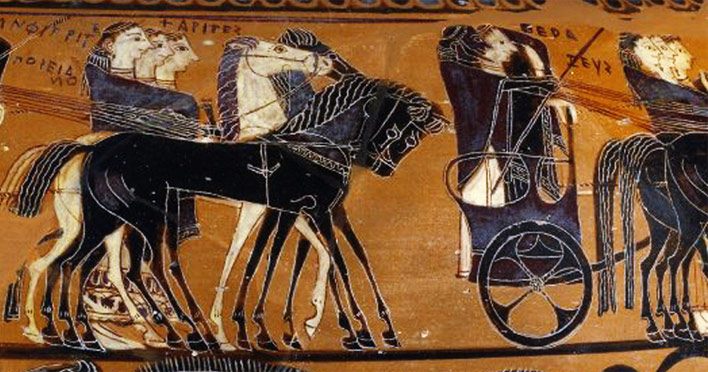
Emerging from the Greek Dark Age 800–500 BCE
Statis or conflict was a continuous and ever-present condition in the steps towards the polis or city-state—the political community which would become characteristic of Greece.
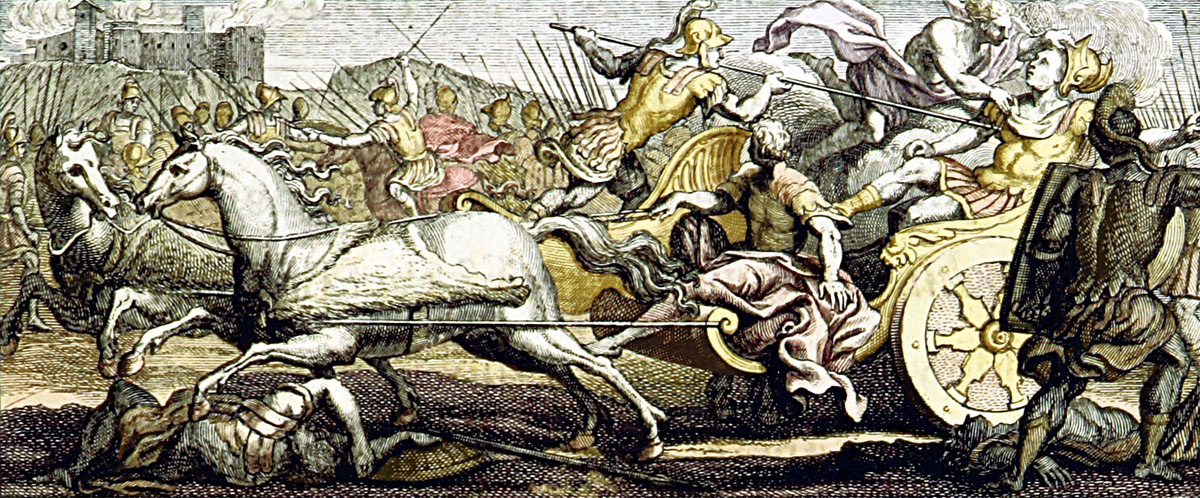
Greek History According to its Ancient Storytellers
With no first-hand written documents of their past, Greek survivors of the Bronze Age collapse turned to their traditional storytellers.
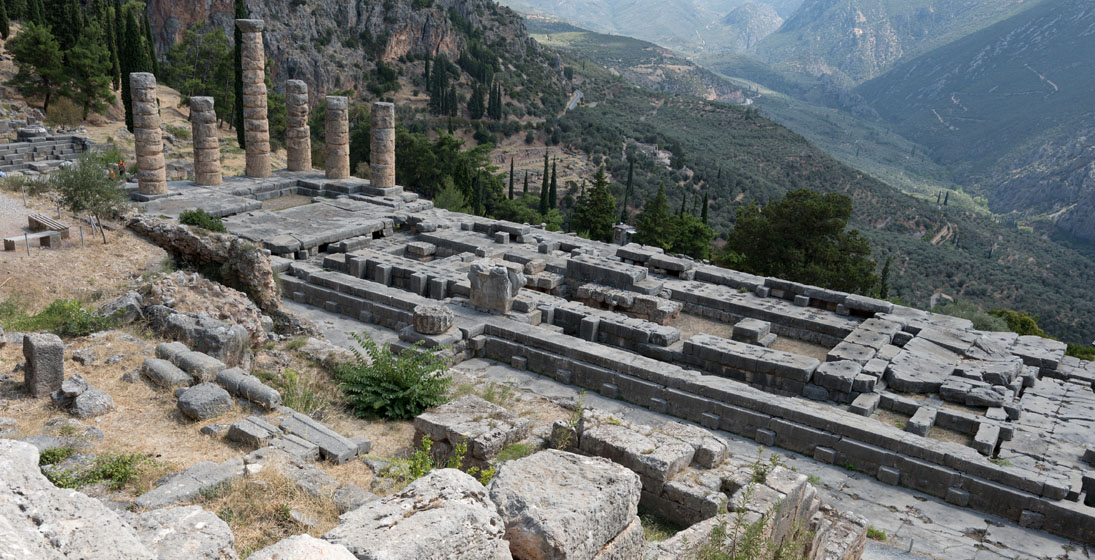
Religious Life in Pre-Axial Greece
Like other pre-Axial cultures, Greeks believed in a pantheon of Gods who presided over every aspect of life and nature.
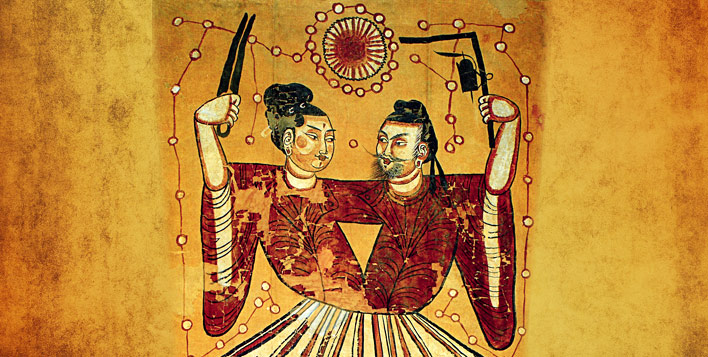
Early Civilizations China
Chinese civilization dates back 5,000 years to mythical and legendary individuals who ruled the fertile Yellow River valley of what we know today as China.
Three Legendary Sovereigns
Three Sage Kings, or Three August Ones, were said to be god-kings or demigods. Because of their superior virtue they lived to a great age and ruled over a long period of peace.
The Five Emperors
The 'Five Emperors' of ancient China may be thought of more as supreme beings, rather than “emperors.” They were morally perfect.
The Shang Dynasty 1600–1045 BCE
Historians note that China's Shang Dynasty was believed to be mythological until written evidence was found in the 1920’s indicating otherwise.
Cosmic and Terrestrial Maintenance
A huge communal effort by humans to maintain cosmic and terrestrial harmony shaped the Neolithic Revolution. Also known as the Agricultural Revolution, this period marked the start of organized religion, agriculture, and science.
Death and Transcendence
In the Neolithic period, shamans became the specialists in transcendence. The stability of the community rested on their ability to engage the whole group by connecting it to the spirit world. How did they do this?
Neolithic Architecture: Replicating the Cave Experience
Unlike their prehistoric ancestors, Neolithic shamans no longer had to rely on the natural topography of each cave to fashion their sacred art. Instead, they designed and built structures that repeated the cave experience.
Neolithic Beliefs and Customs Migrate West
During the Neolithic era, as land became exhausted, people were obliged to move to newer pastures. They traveled not only with their families but also with their animals, and, most importantly for us, with their customs and beliefs.
Megalithic Temples of Malta: A Scientific Breakthrough
At the foot of Sicily are two islands, Malta and Gozo, where more than 23 megalithic temples once stood. The construction of these temples spanned over a thousand years of continuous building and elaboration.
Britain’s Megalith Building Boom
In Britain, about 1,300 Neolithic mega-sites appear to have been built within little more than a century.
Pyramids: Stairways to the Gods
Pyramid-shaped structures are yet another example of how human beings expressed their psychological understanding of our place in the universe as three-tiered.
Mesopotamia: “The Land Between Two Rivers”
Part of the Fertile Crescent, Mesopotamia (“the land between two rivers” in Greek), was by its geographical location and development influential in the region from at least 2500 BCE to the fall of Babylon in 539 BCE.
Mesopotamian Worldview and Beliefs
The ancient Mesopotamians believed that their fates hinged on the whims of the deities, demons, and gods that ruled over them.
Ziggurats: Connecting Heaven and Earth
The ziggurat, the “mountain of God” or “hill of Heaven” was the center of the temple complex. Built of clay bricks, it was a massive, solid, pyramidal stepped structure, the summit of which housed the God.
Marduk and the Early Signs of Monotheism
During the reign of Hammurabi in the 18th century BCE, Babylon became the principal city of southern Mesopotamia, and the patron deity of Babylon, the god Marduk, was elevated to the level of supreme god.
Ancient Mesopotamian Literature and Sacred Texts
Mesopotamian scribes published a body of legends, epics, and sacred literature on cuneiform tablets, like the ‘Enuma Elish’ and ‘The Epic of Gilgamesh’, that were to influence later civilizations.
Understanding Cuneiform Tablets and Writing
From their cuneiform writings on clay tablets scholars know that the Mesopotamians, like the later Greeks, attempted to understand their world and the universe in any way they could.
The Noble Ones
The Aryans or “Noble Ones” were thought to have remained together on the Caucasian steppes from about 4500 BCE until about 2500 BCE when groups began to migrate.
Indus-Sarasvati Civilization
By 2500 BCE the Indus-Sarasvati or Harappan civilization became the largest civilization of the Ancient world, extending over more than 386,000 square miles across the plains of the Indus River from the Arabian Sea to the Ganges.
Mehrgarh (7000–2000 BCE)
The Neolithic site of Mehrgarh is located to the west of the Indus-Sarasvati flood plain, in Baluchistan east of the mountain city of Quetta in Pakistan.
Harappa (3500–1900 BCE)
The ancient city of Harappa, situated on a tributary to the Indus River in Pakistan, grew into a bustling settlement. Damage under British colonial rule and looting by local people likely set back our knowledge of this civilization.
Mohenjo-Daro (2600–1900 BCE)
Located between the two vast river valleys of the Indus and the Sarasvati, Mohenjo-Daro was one of the most important cities of the Indus civilization.
The Demise of the Indus Civilization
By about 3,900 years ago (1900 BCE), the monsoons had shifted east causing the Sarasvati to gradually change from a perennial to a seasonal river. This and other challenges caused the Indus civilization to decline.
Indus-Sarasvati People: Who Were they? What did they Believe?
We know almost nothing of the Indus-Sarasvati people or their religion. Speculations on the meaning of figurines, depictions on seals, etc., are just that.
The Cycladic Civilization Circa 3300 to 1100 BCE
The beginnings of a material culture in Greece took shape in a cluster of 30 small Aegean islands in the Neolithic and early Bronze Ages. Together they are known as the Cyclades, from the archaic Greek word kyklos, meaning “cycle.”
Minoa–Europe’s First Civilization ca 2000–1400 BCE
Crete sits at the crossroads of Africa, Asia, and Europe and was the hub of the Minoan civilization: a cosmopolitan world that included Egypt, the Levant, Anatolia, and the Greek mainland.
Minoan “Palaces” and Religious Beliefs
In 1900, the famed archaeologist Sir Arthur Evans provided the first evidence of an extraordinary civilization. He named it Minoan, after the legendary King Minos, son of Zeus.
The Decline of the Minoan Civilization
Conflicts, earthquakes and volcanic eruptions, especially at Thera in 1628 BCE, weakened and helped bring an end to the Minoan civilization.
The Mycenaeans 1600–1100 BCE
The Mycenaeans, a warrior class who came to dominate the Aegean, were closely related to the Minoans. Both descended from early farmers who lived in Greece and southwestern Anatolia.
The Collapse of the First Global Economy
Could a series of catastrophes over a century or more, have led to the final collapse of the Bronze Age civilizations in the Aegean, Egypt, and the Near East after nearly two thousand years of growth and prosperity?
The Dark Ages of Antiquity
After nearly two thousand years of growth and prosperity, (ca 3000–1200 BCE) the civilizations in the Aegean, Egypt, and the Near East unraveled. What happened?
The Perfect Storm
Is what happened in the ancient world over 3,000 years ago likely to happen again, but on a much larger scale?
The Greek Dark Age and a New Dawn
Evidence of very early settlement on the Greek Islands comes from the Franchthi cave, overlooking the Argolid Sea in the Peloponnese.
Emerging from the Greek Dark Age 800–500 BCE
Statis or conflict was a continuous and ever-present condition in the steps towards the polis or city-state—the political community which would become characteristic of Greece.
Greek History According to its Ancient Storytellers
With no first-hand written documents of their past, Greek survivors of the Bronze Age collapse turned to their traditional storytellers.
Religious Life in Pre-Axial Greece
Like other pre-Axial cultures, Greeks believed in a pantheon of Gods who presided over every aspect of life and nature.
Early Civilizations China
Chinese civilization dates back 5,000 years to mythical and legendary individuals who ruled the fertile Yellow River valley of what we know today as China.
Three Legendary Sovereigns
Three Sage Kings, or Three August Ones, were said to be god-kings or demigods. Because of their superior virtue they lived to a great age and ruled over a long period of peace.
The Five Emperors
The 'Five Emperors' of ancient China may be thought of more as supreme beings, rather than “emperors.” They were morally perfect.
The Shang Dynasty 1600–1045 BCE
Historians note that China's Shang Dynasty was believed to be mythological until written evidence was found in the 1920’s indicating otherwise.
The Unseen World: The Rise of Gods and Spirits
The Institute for Cultural Research
“As the problems and challenges facing humankind have changed, so have their religious and ideological solutions. We live among the wreckage of once-potent solutions. If we neglect them, they may become barriers to thought and action. If we understand them, they are a treasure house for all of us to share.”
The Unseen World: The Rise of Gods and Spirits
The Institute for Cultural Research